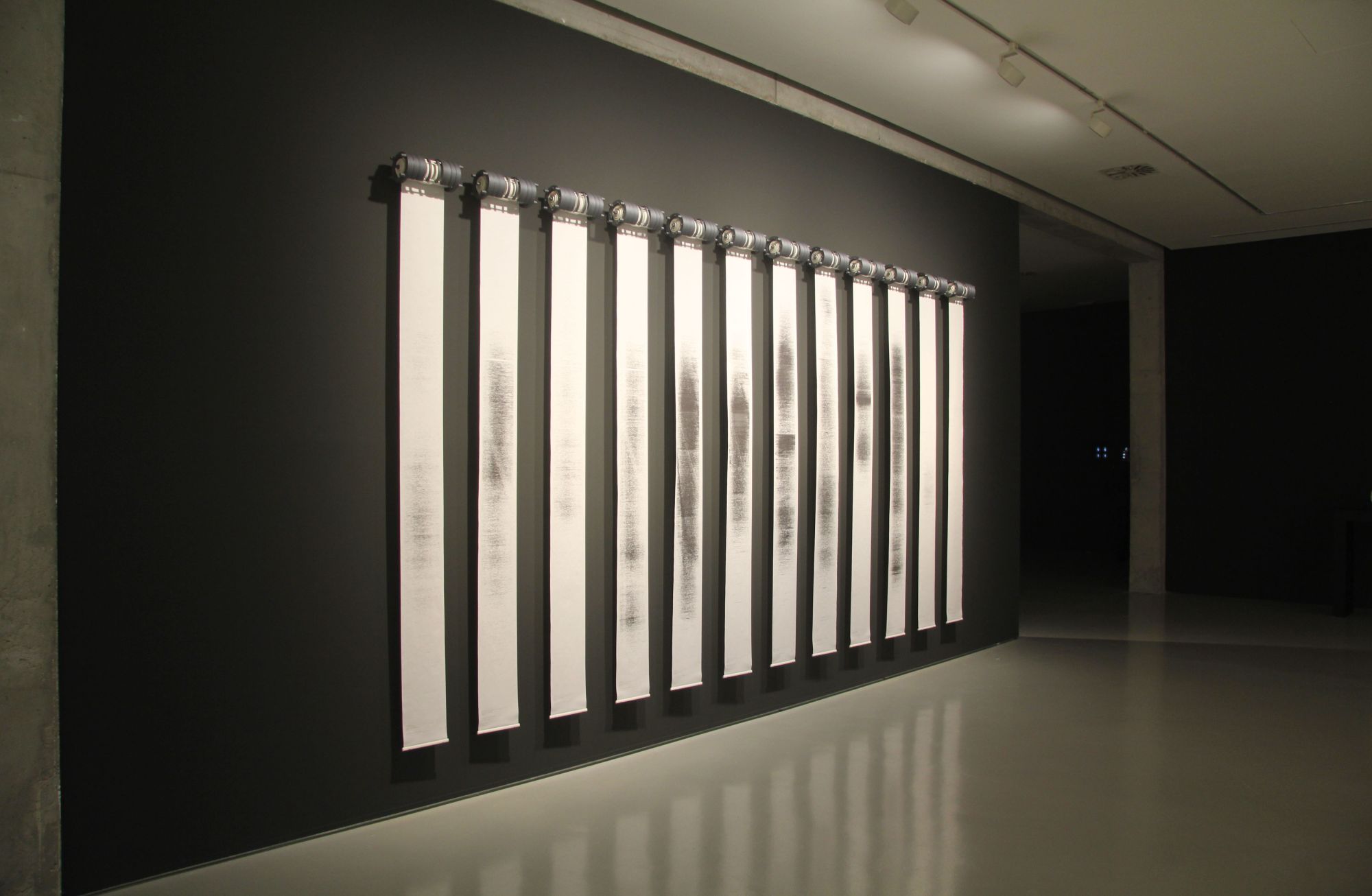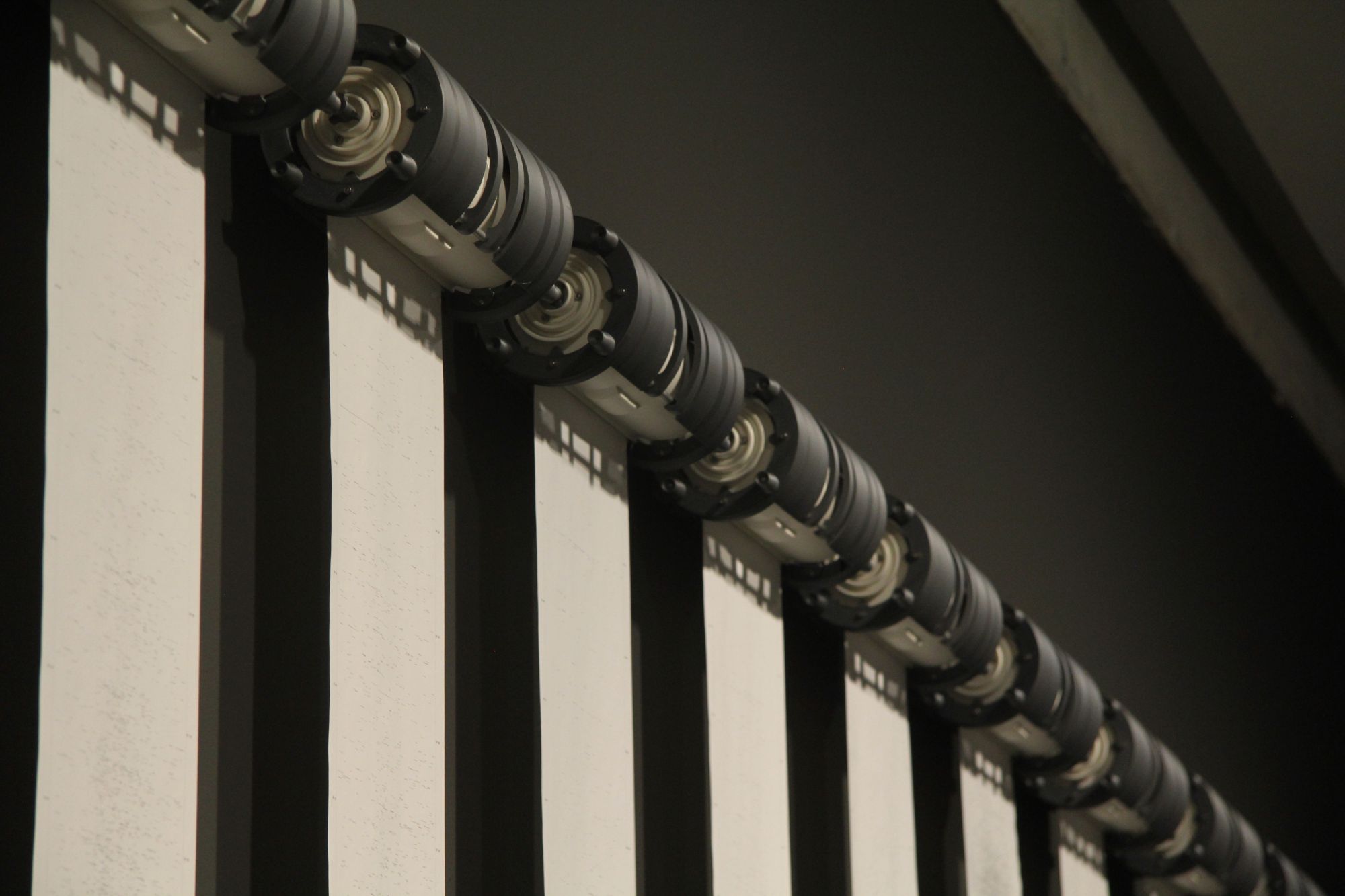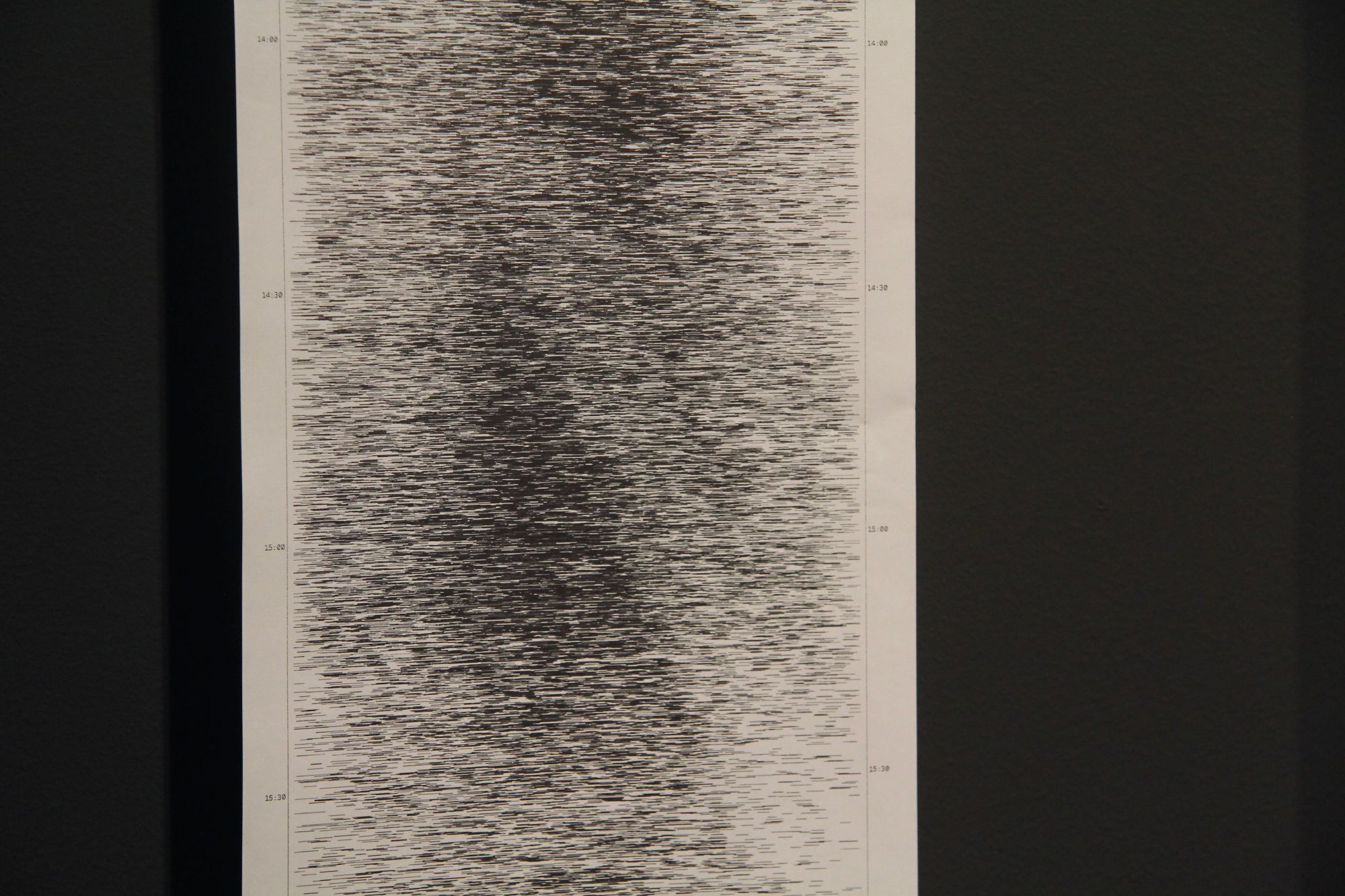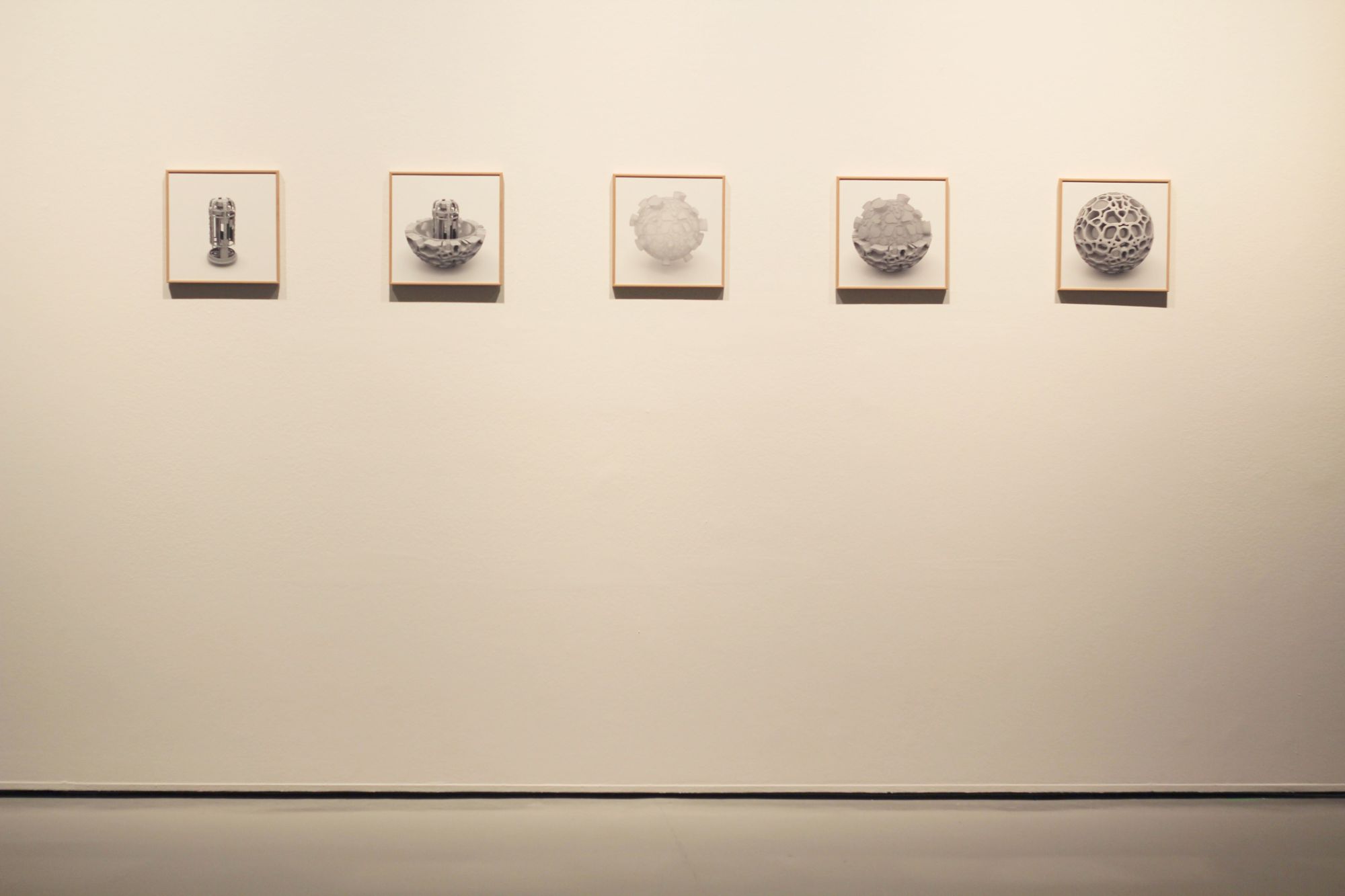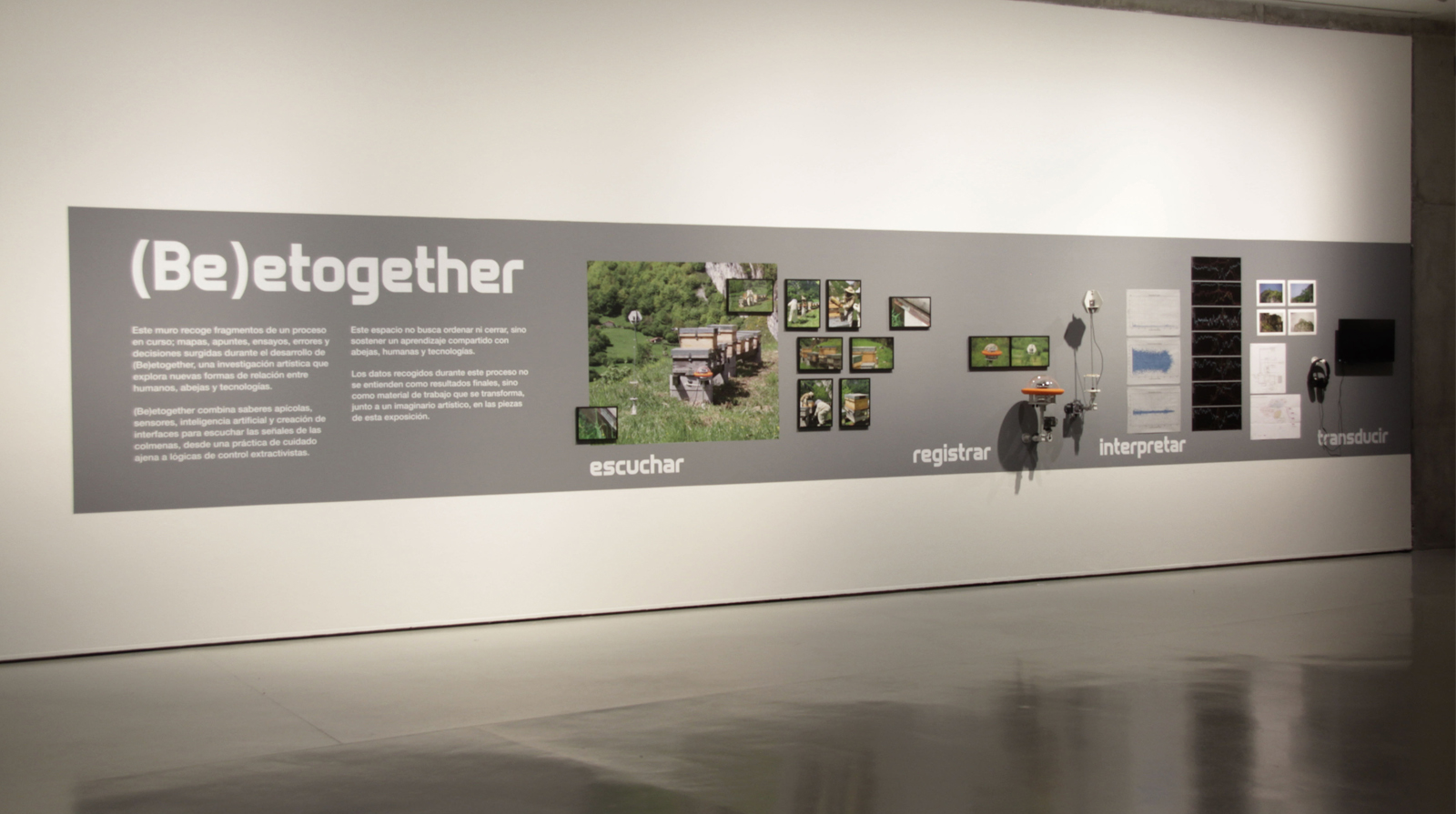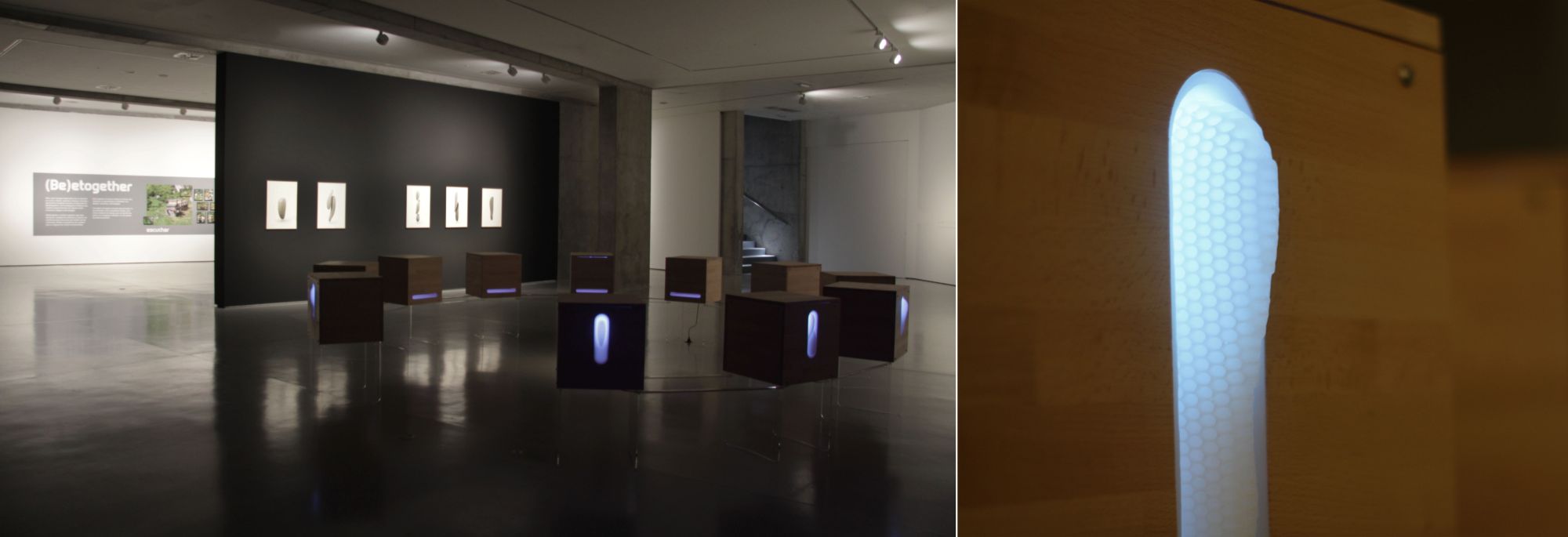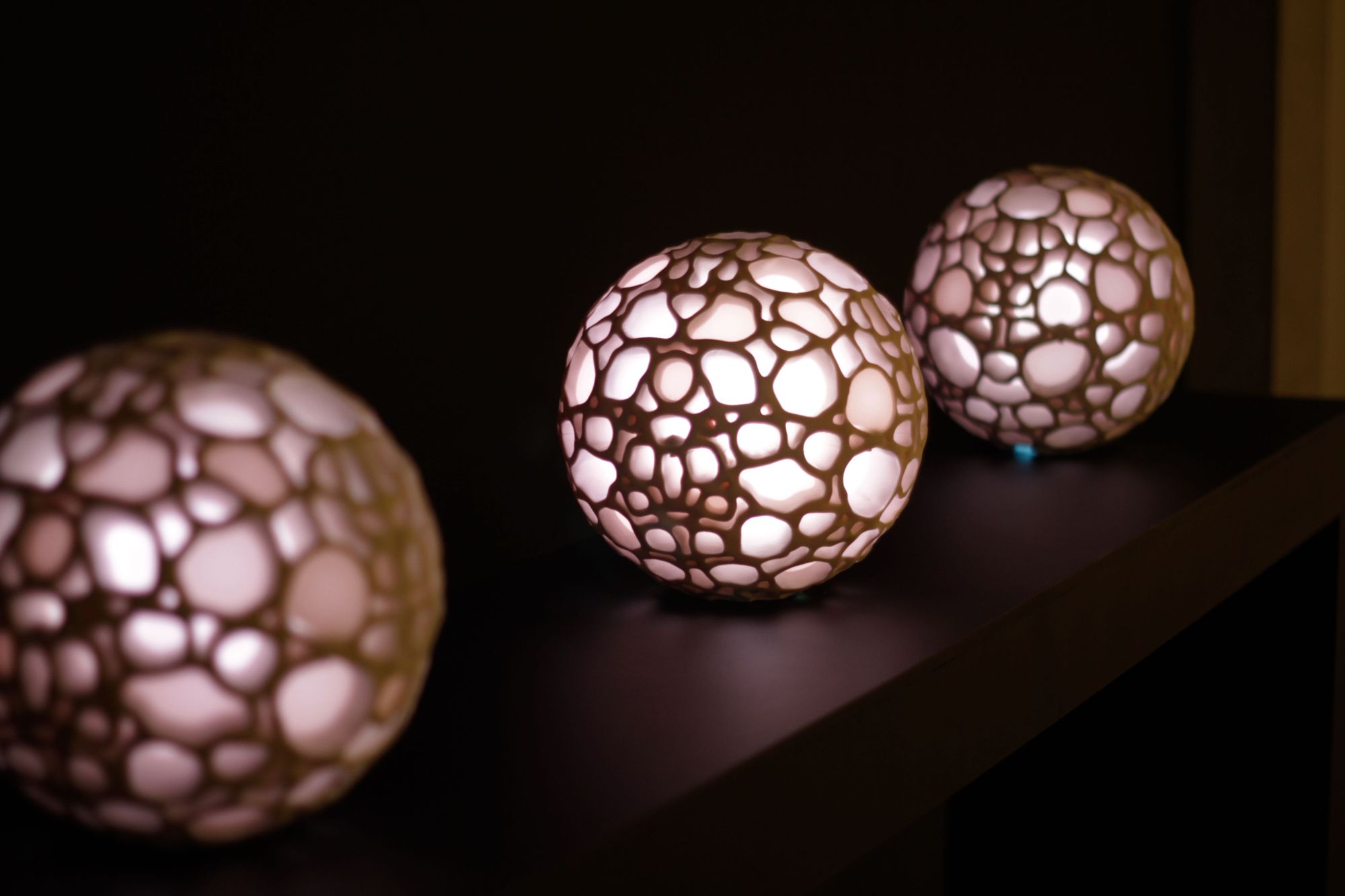
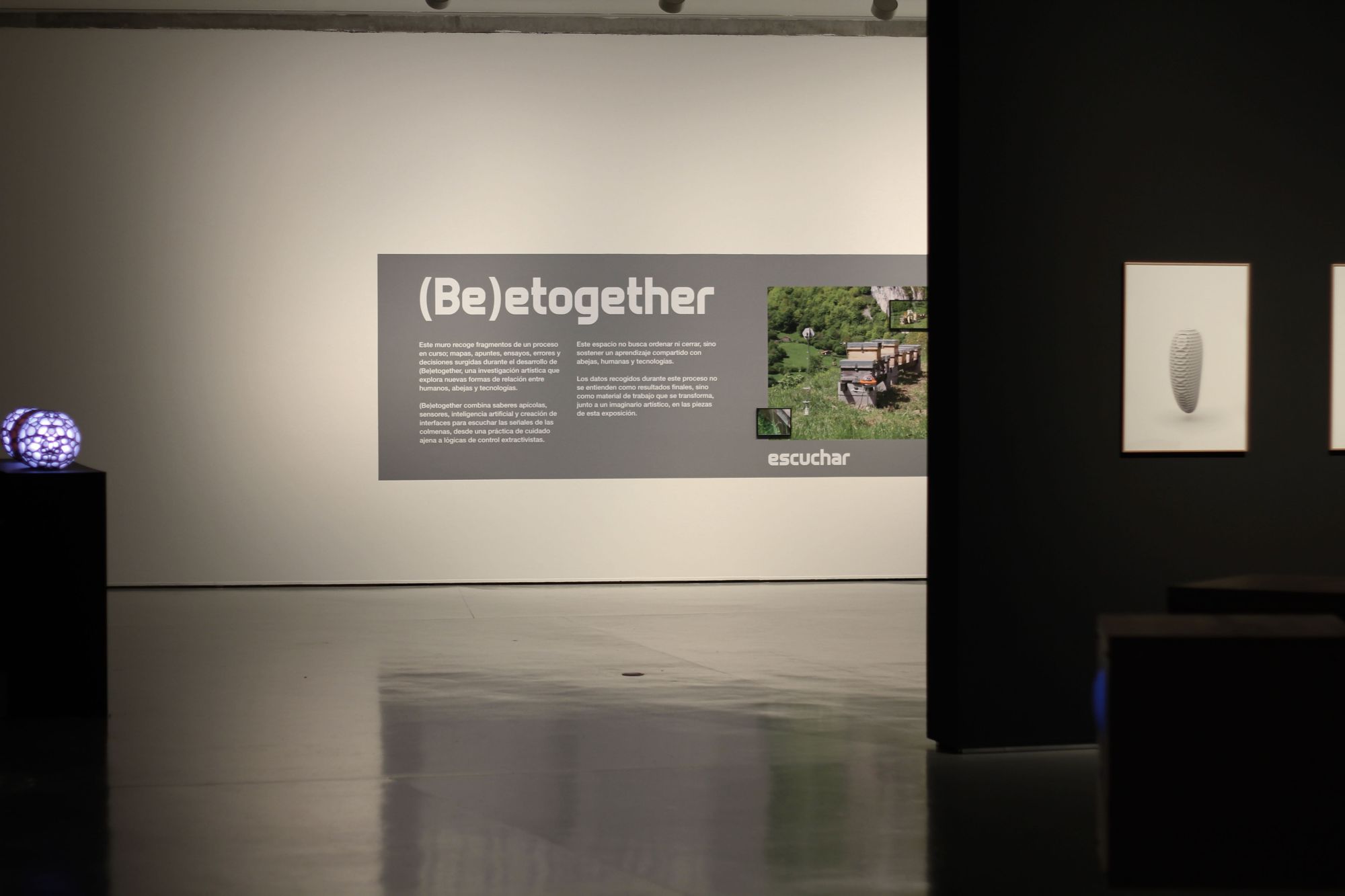
A solo exhibition by María Castellanos and Alberto Valverde bringing together installations and interfaces developed through artistic research into the relationships between bees, artificial intelligence and the Symbiocene.
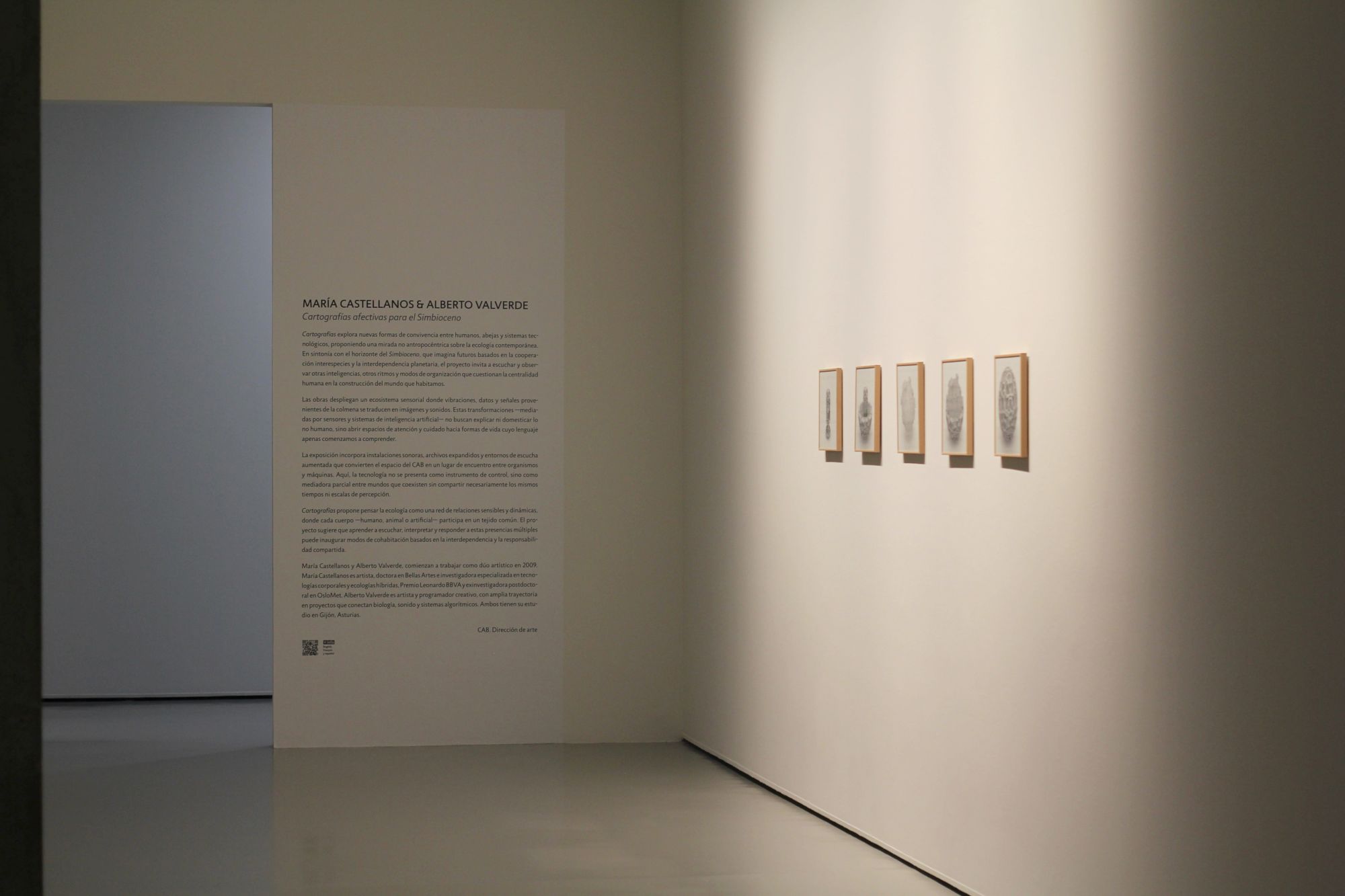
Affective Cartographies for the Symbiocene explores new forms of coexistence between humans, bees, and technological systems, proposing a non-anthropocentric perspective on contemporary ecology. Aligned with the concept of the Symbiocene—a vision of the future based on interspecies cooperation and planetary interdependence—the project invites visitors to listen to and observe other forms of intelligence, rhythms, and modes of organization that challenge the centrality of humans in shaping the world we inhabit.
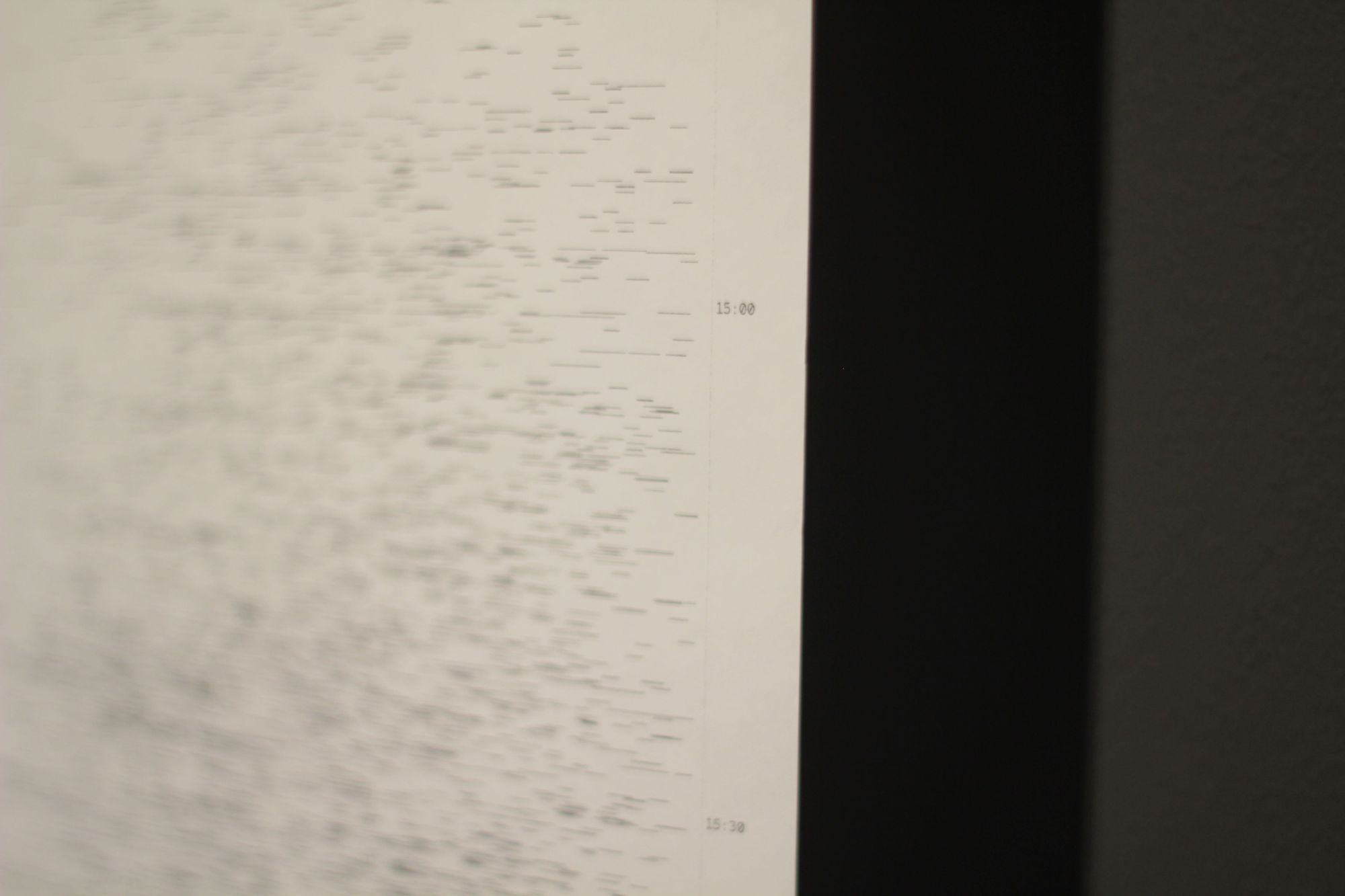
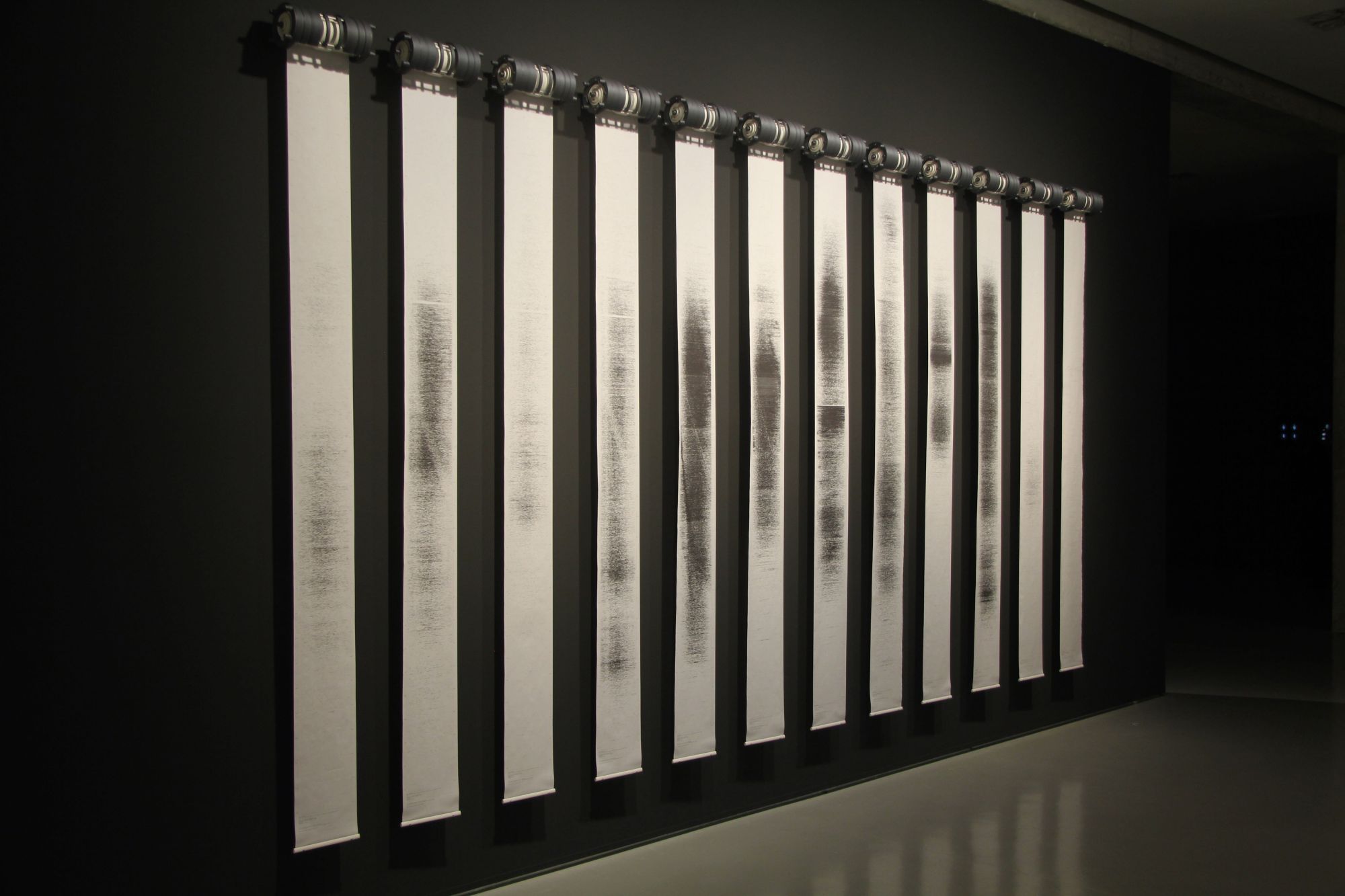
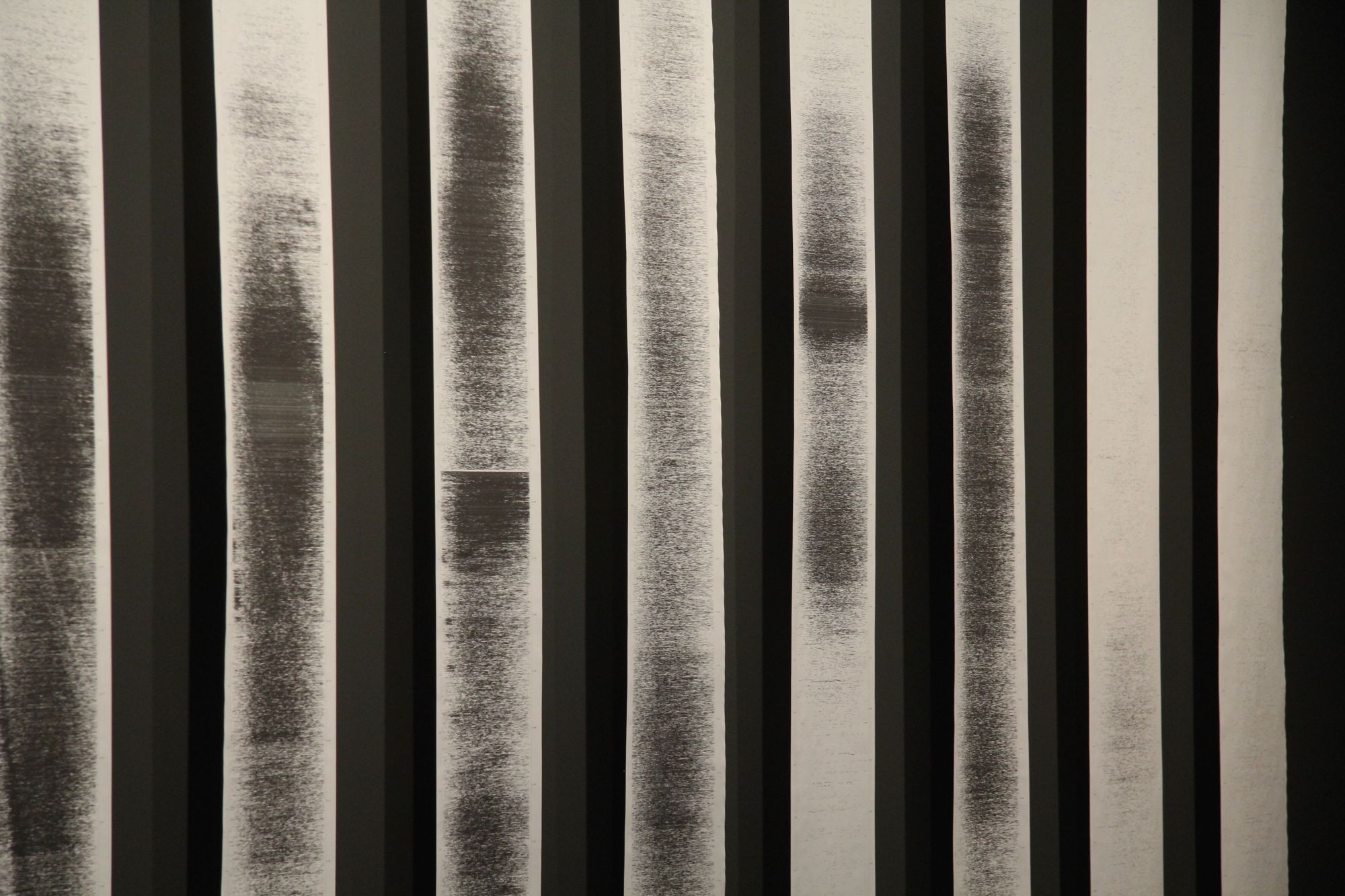
The works unfold as a sensory ecosystem in which vibrations, data, and signals from the beehive are translated into images and sound. Mediated by sensors and artificial intelligence systems, these transformations seek to foster new forms of attention and care toward living beings whose languages we are only beginning to understand.
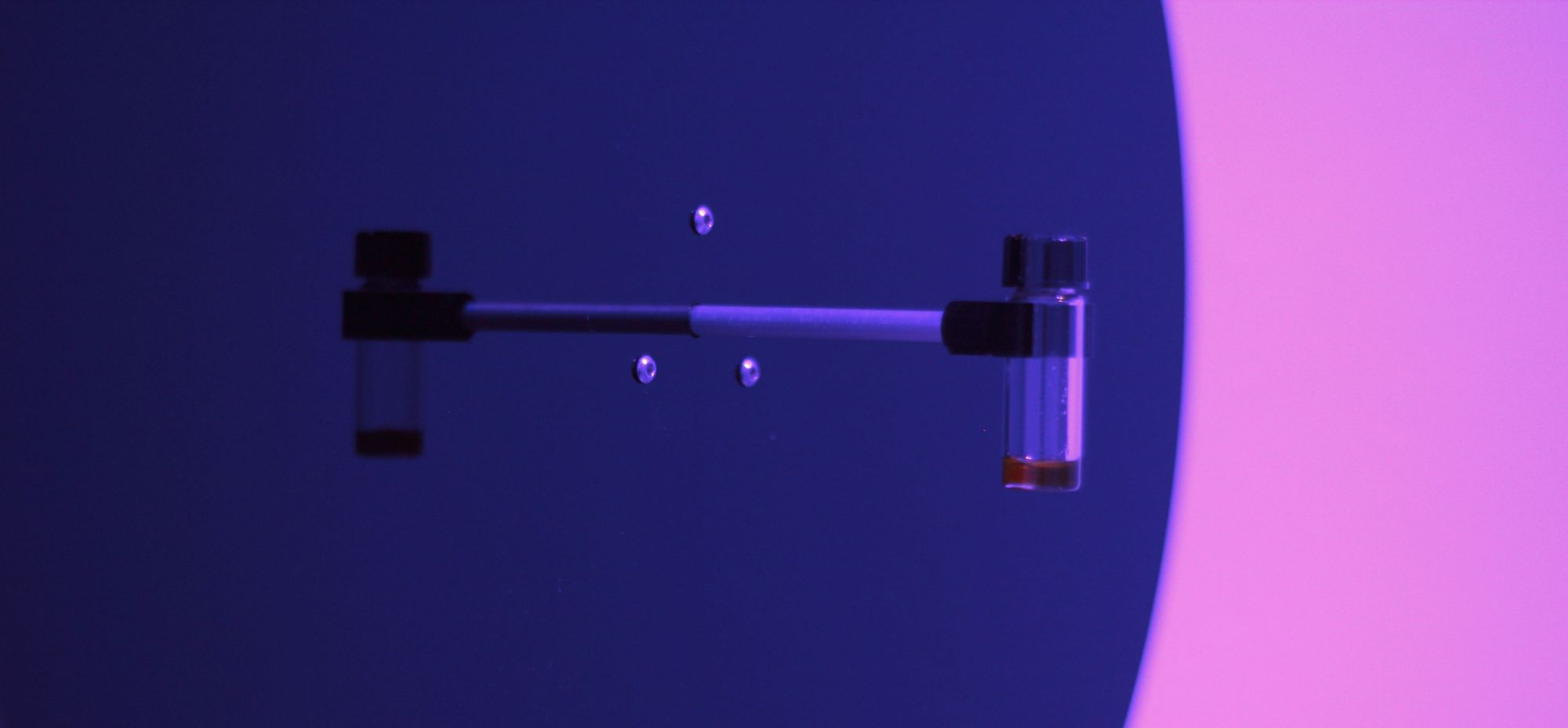
The exhibition brings together sound installations, expanded archives, and augmented listening environments, transforming the exhibition space into a site of encounter between organisms and machines. Here, technology is presented not as a tool of control, but as a partial mediator between worlds that coexist without necessarily sharing the same temporalities or scales of perception.
The exhibition proposes ecology as a network of dynamic and sensitive relationships, in which every body—human, animal, or artificial—participates in a shared fabric of existence. It suggests that learning to listen, interpret, and respond to these multiple presences may enable new forms of cohabitation grounded in interdependence and shared responsibility.
Produced by CAB – Centro de Arte Contemporáneo de Burgos, the exhibition is based on research developed within (Be)etogether, a project carried out as part of the Hungry EcoCities S+T+ARTS programme.