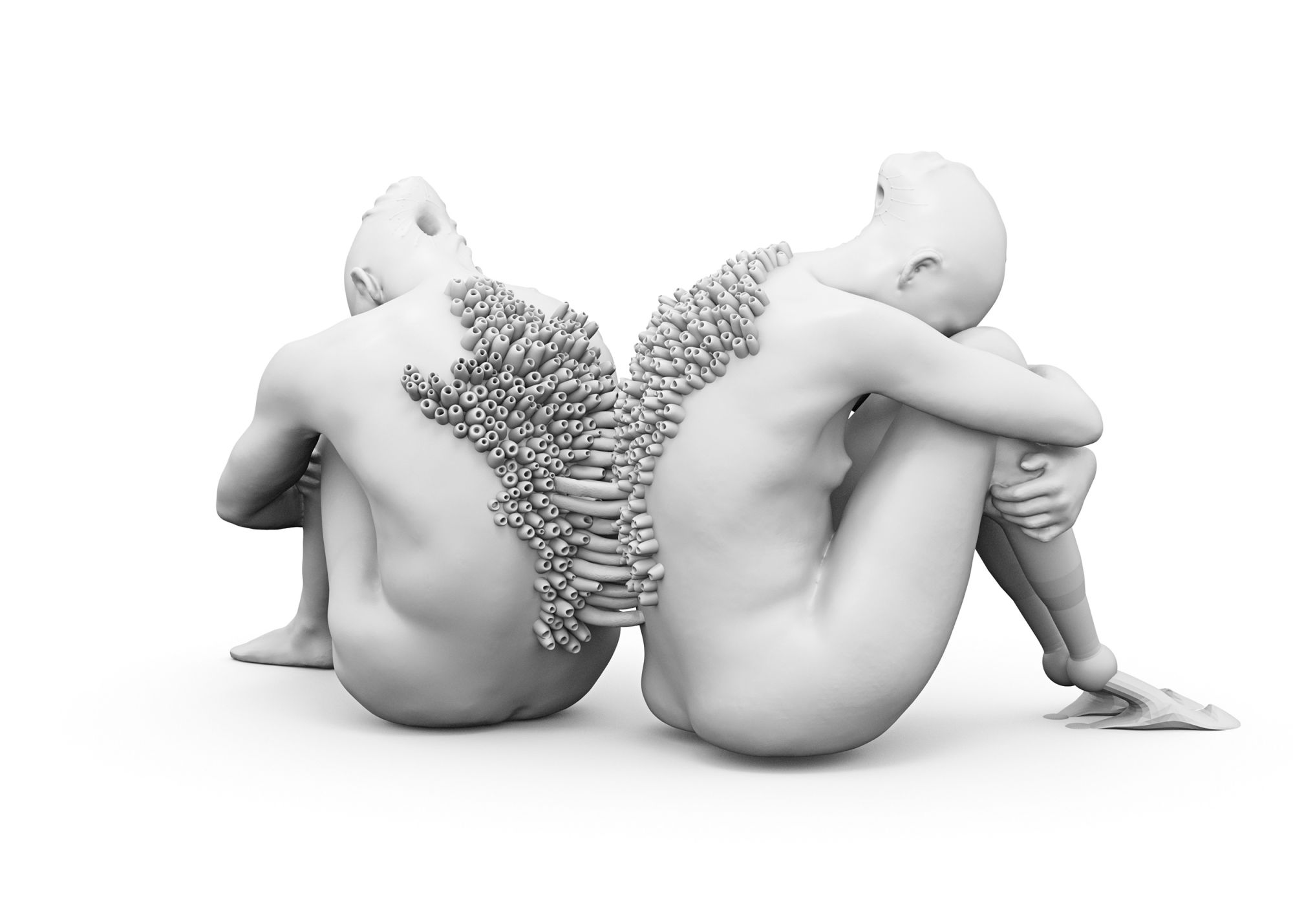
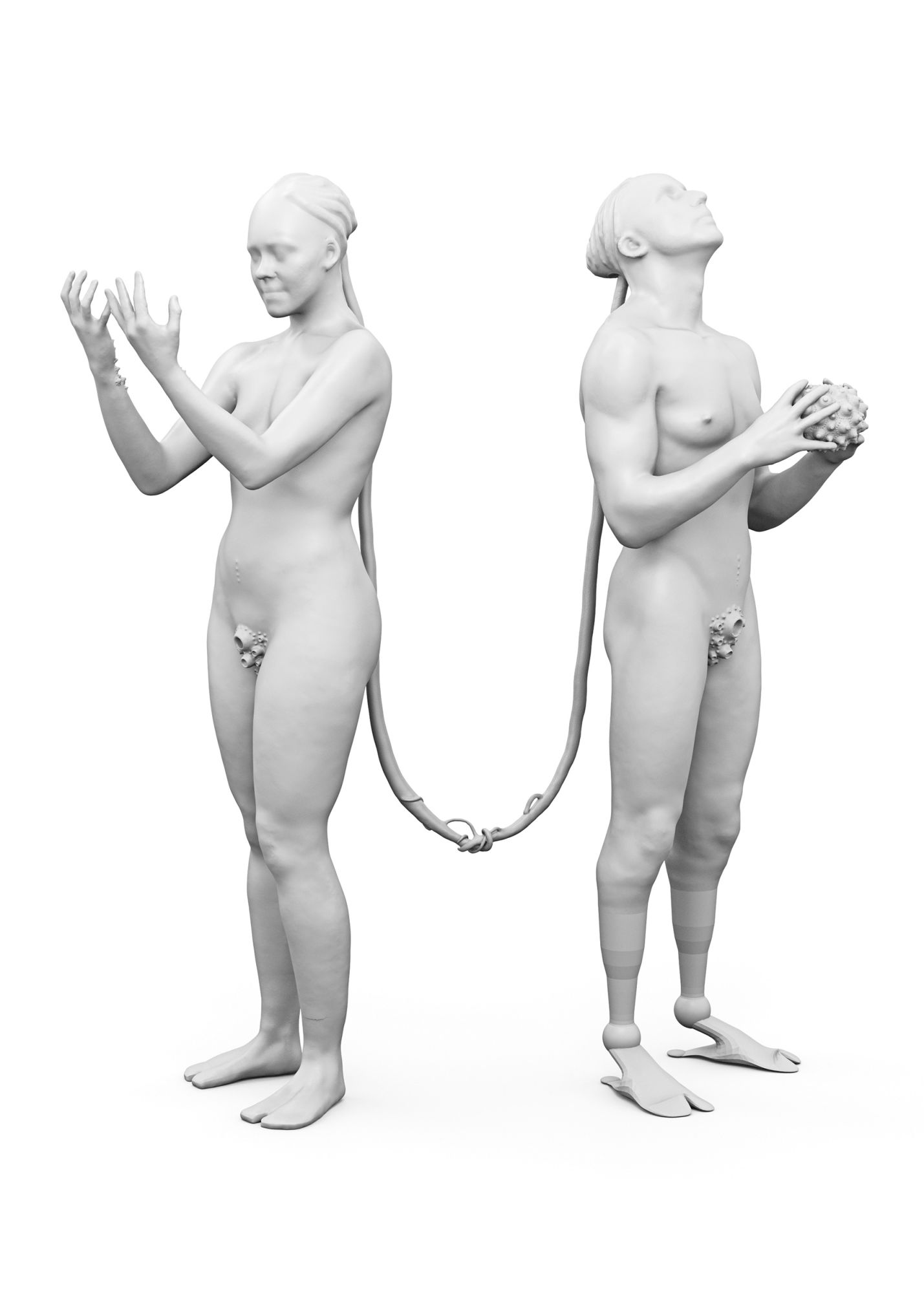
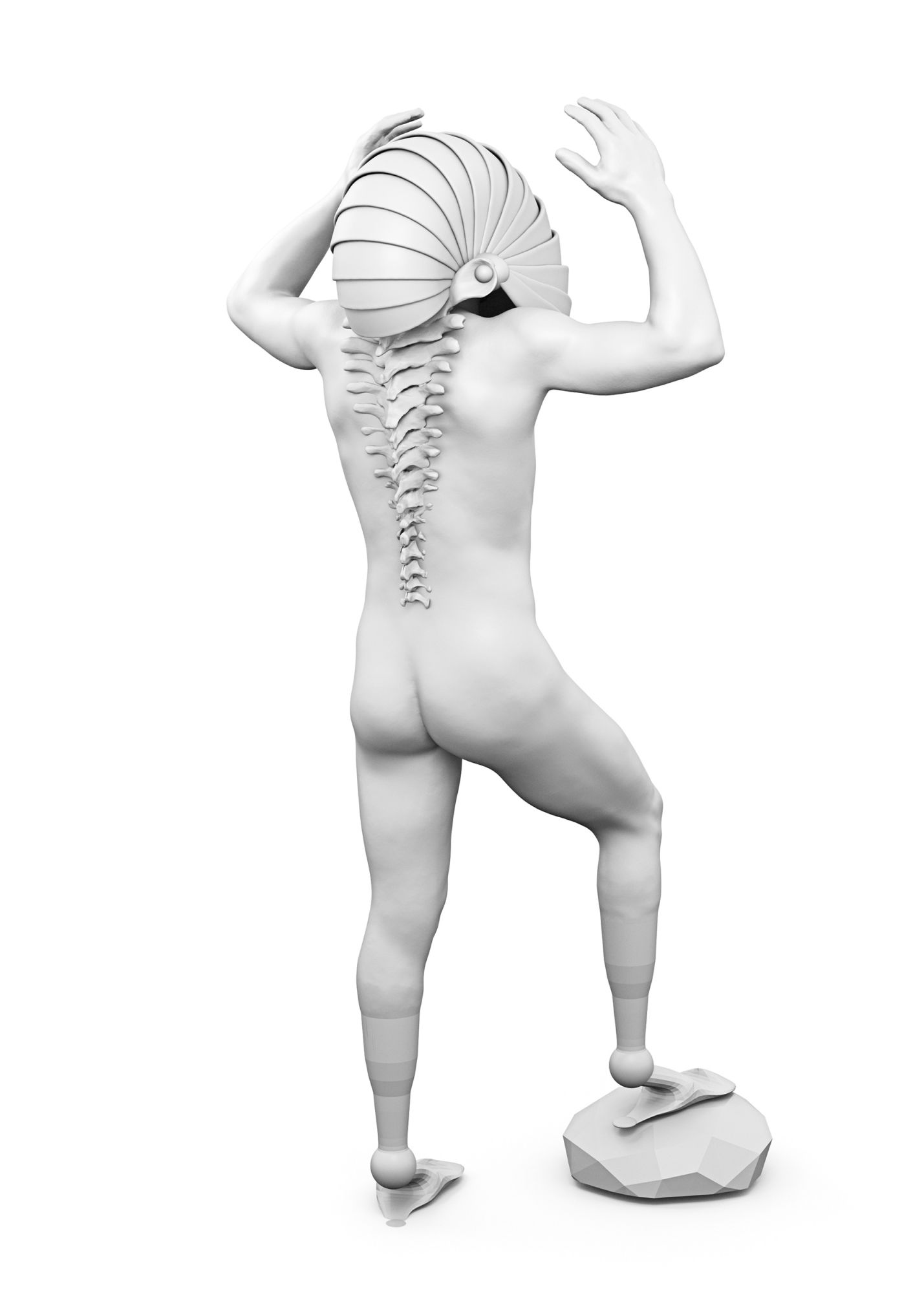
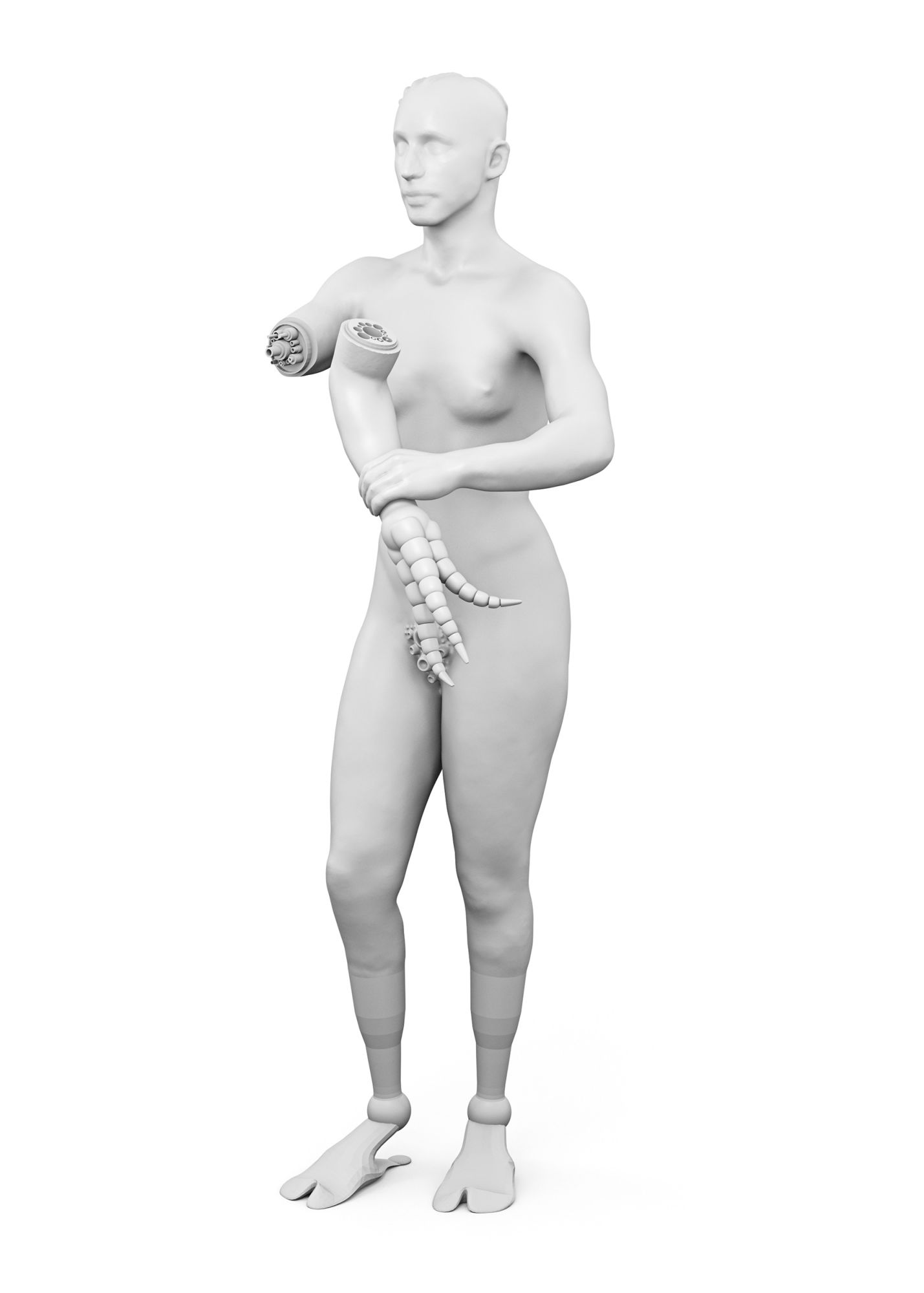
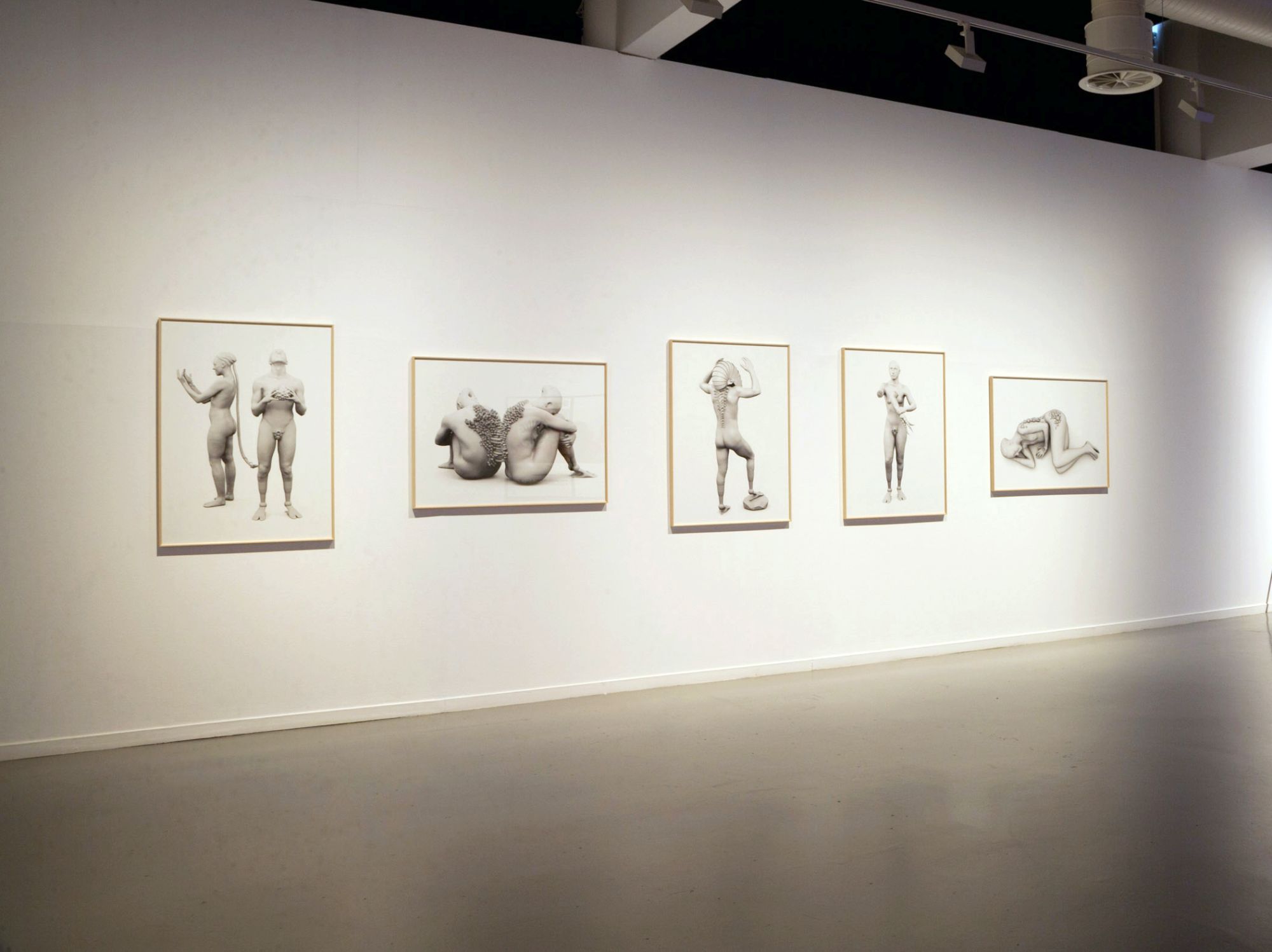
Throughout the history of art, sculpture has functioned as a tool for representing the body, pursuing ideals of beauty based on harmony and proportion. However, these canons have not remained immutable, but have evolved in relation to the cultural, technological, and social contexts of each period.
In the late 1990s, with the emergence of cyborg culture, the concept of the posthuman began to gain traction as a way to describe new understandings of the body. A body shaped by technology, surgery, and biological modification, which questions the boundaries between the natural and the artificial.
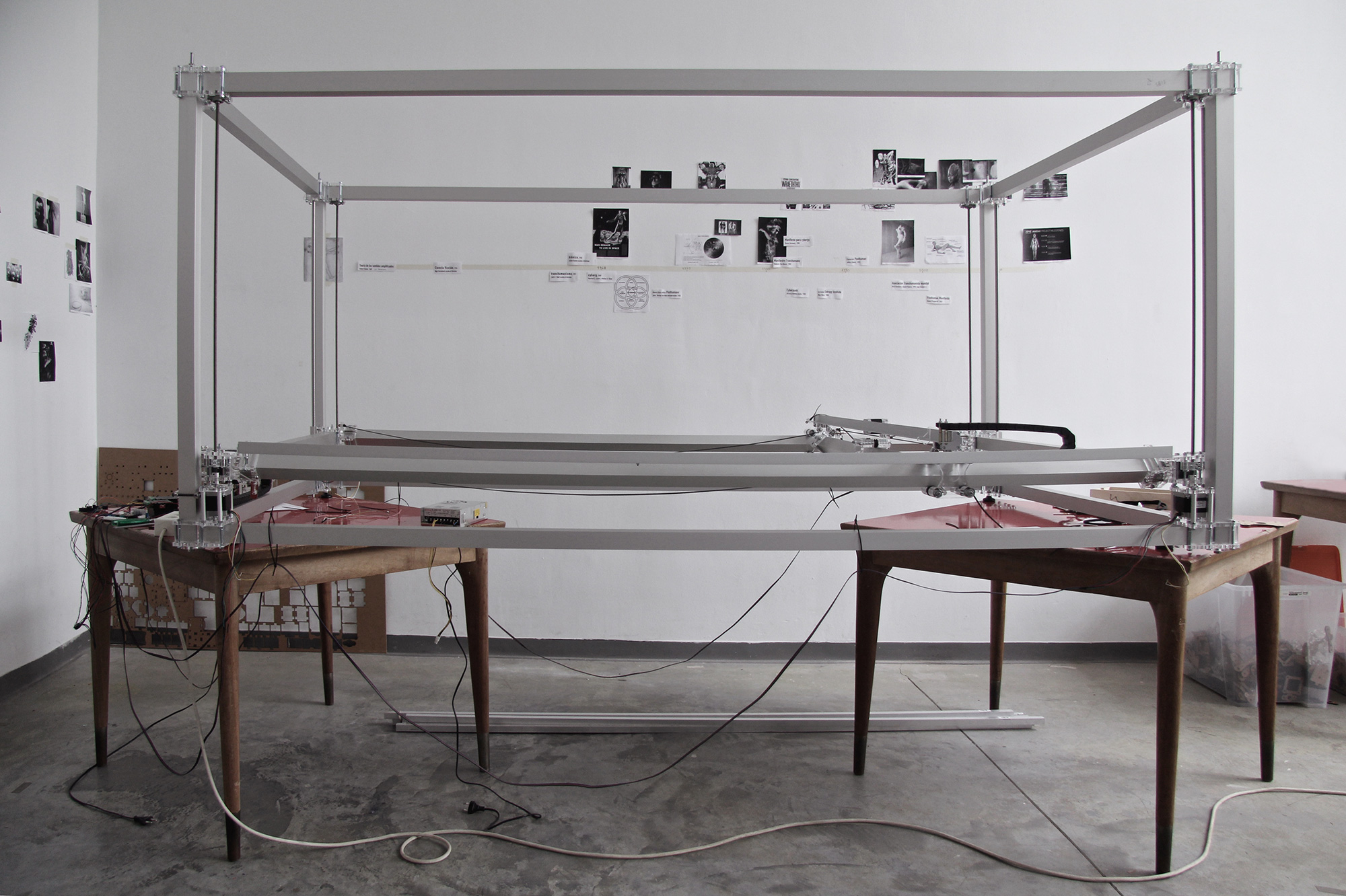
At the same time, the increasing accessibility of digital fabrication tools—such as 3D scanners, 3D printers, and laser cutters—is transforming traditional processes of creation, redefining the role of sculpture in contemporary practice.
Posthuman Trial and Error reflects on this shift in paradigm, exploring sculpture in the age of digital fabrication while raising questions about possible future bodies. To this end, we developed a 3D printer capable of producing sculptures at human scale, placing the fabrication process itself at the core of the work.