A bionic garden as a space for communication between plants, humans and technological systems
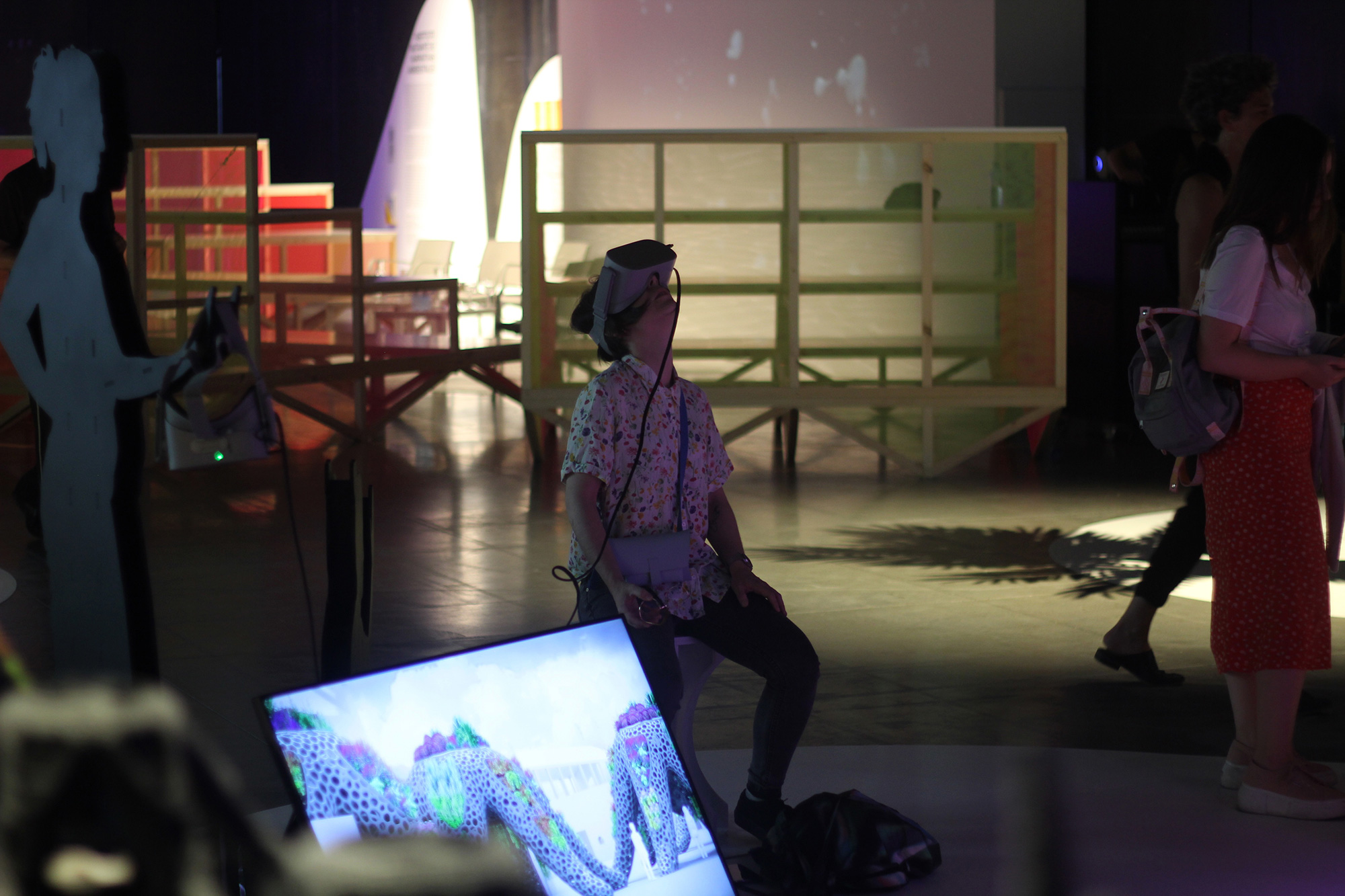
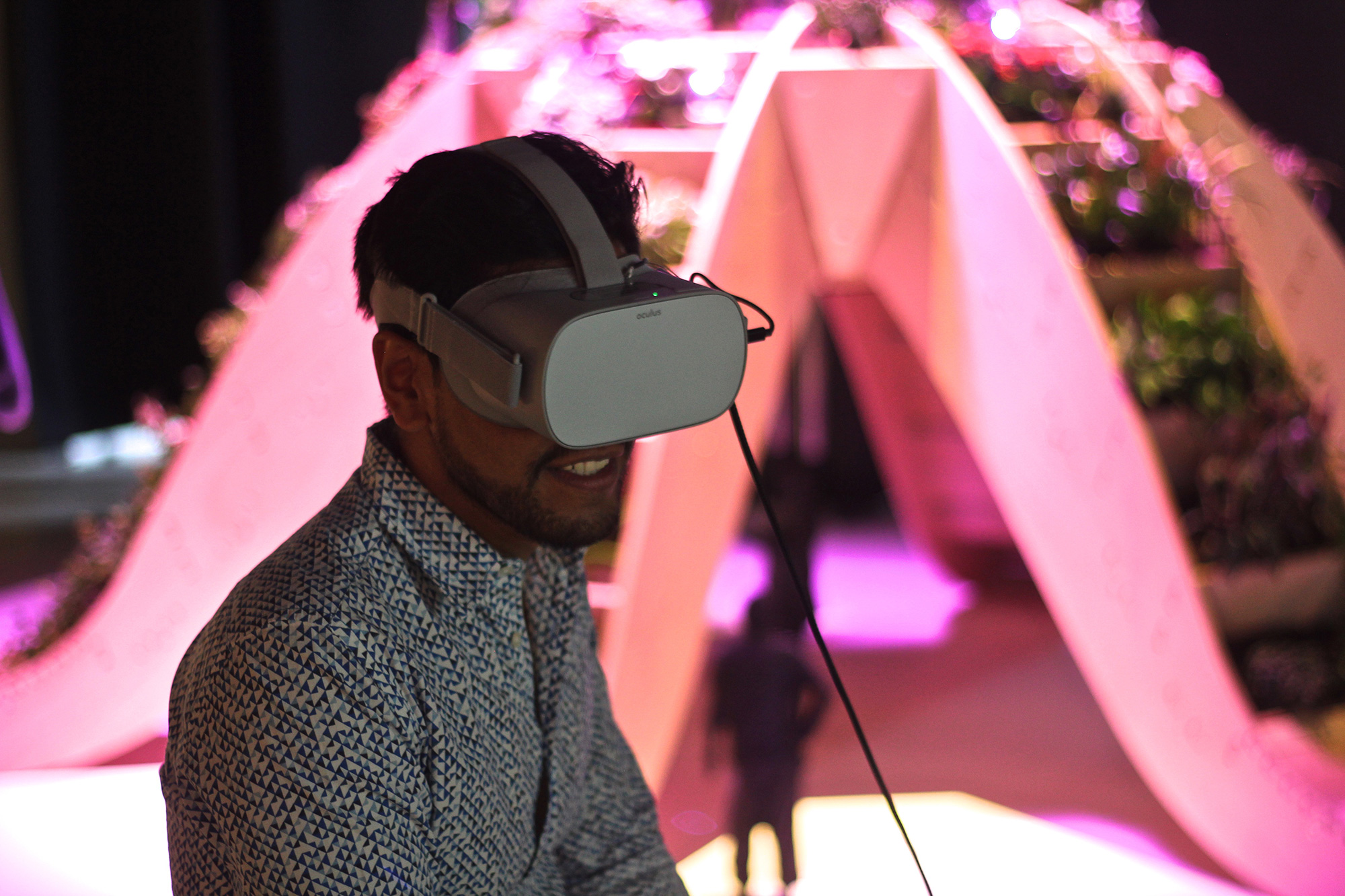
In 2019, María Castellanos and Alberto Valverde participated in Jardín Cyborg, an exhibition and research project developed at Matadero Madrid within the Instituto Mutante de Narrativas Ambientales. The project emerged from an interdisciplinary process initiated in 2018 to imagine new forms of urban greening and climate adaptation in the context of Matadero, bringing together artists, architects and specialists from different fields to develop prototypes integrating living and technological systems.
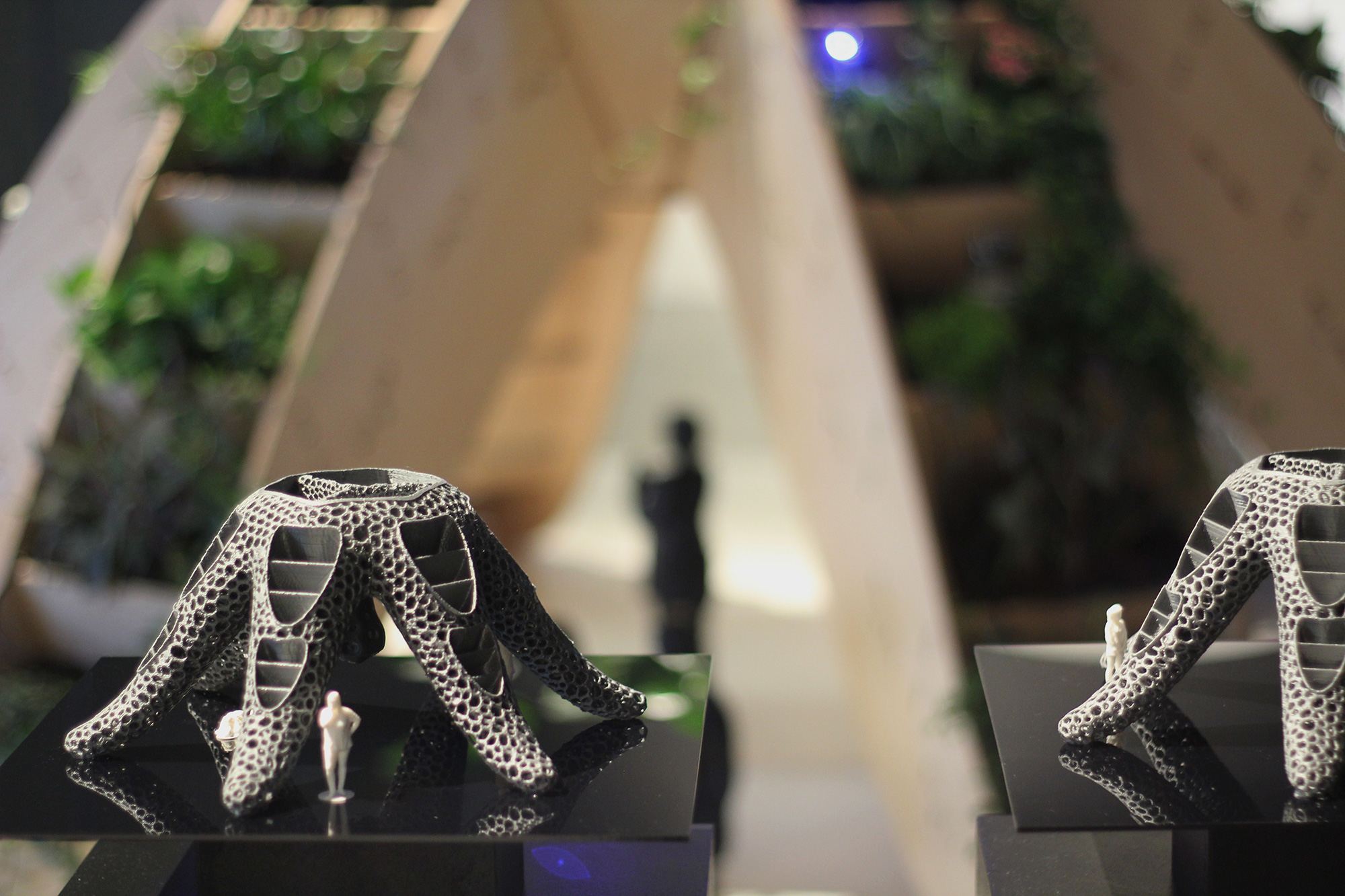
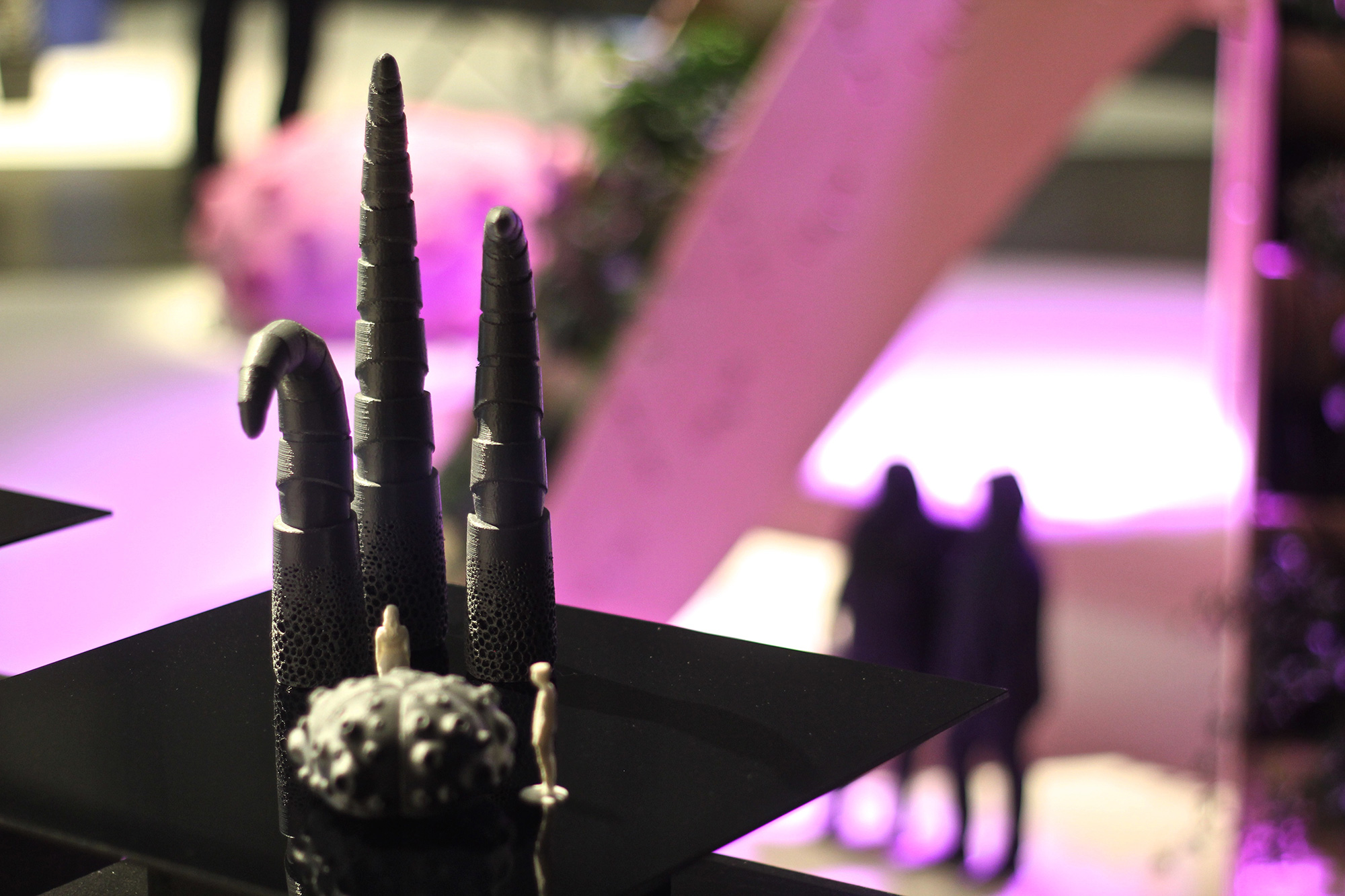
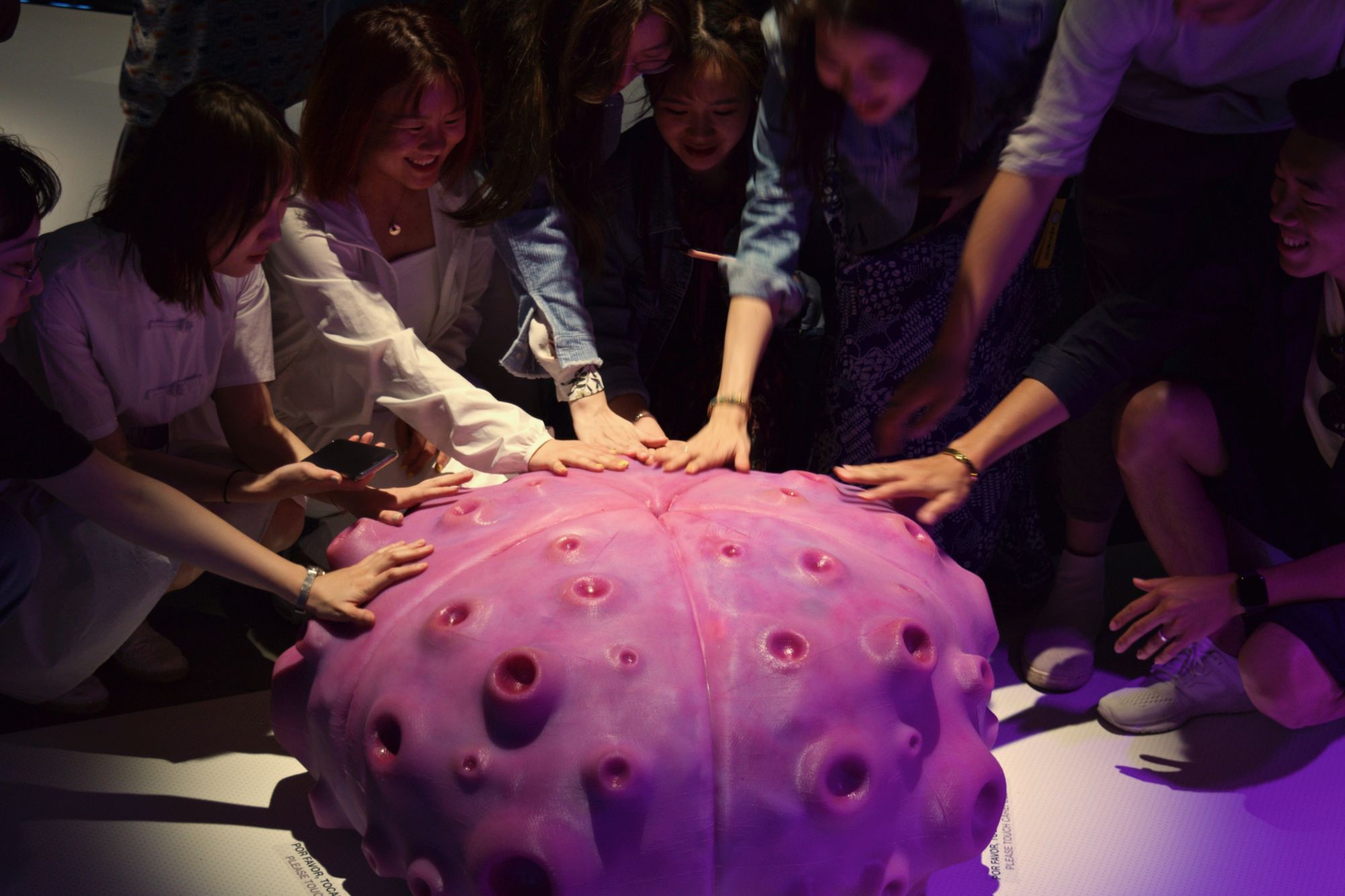
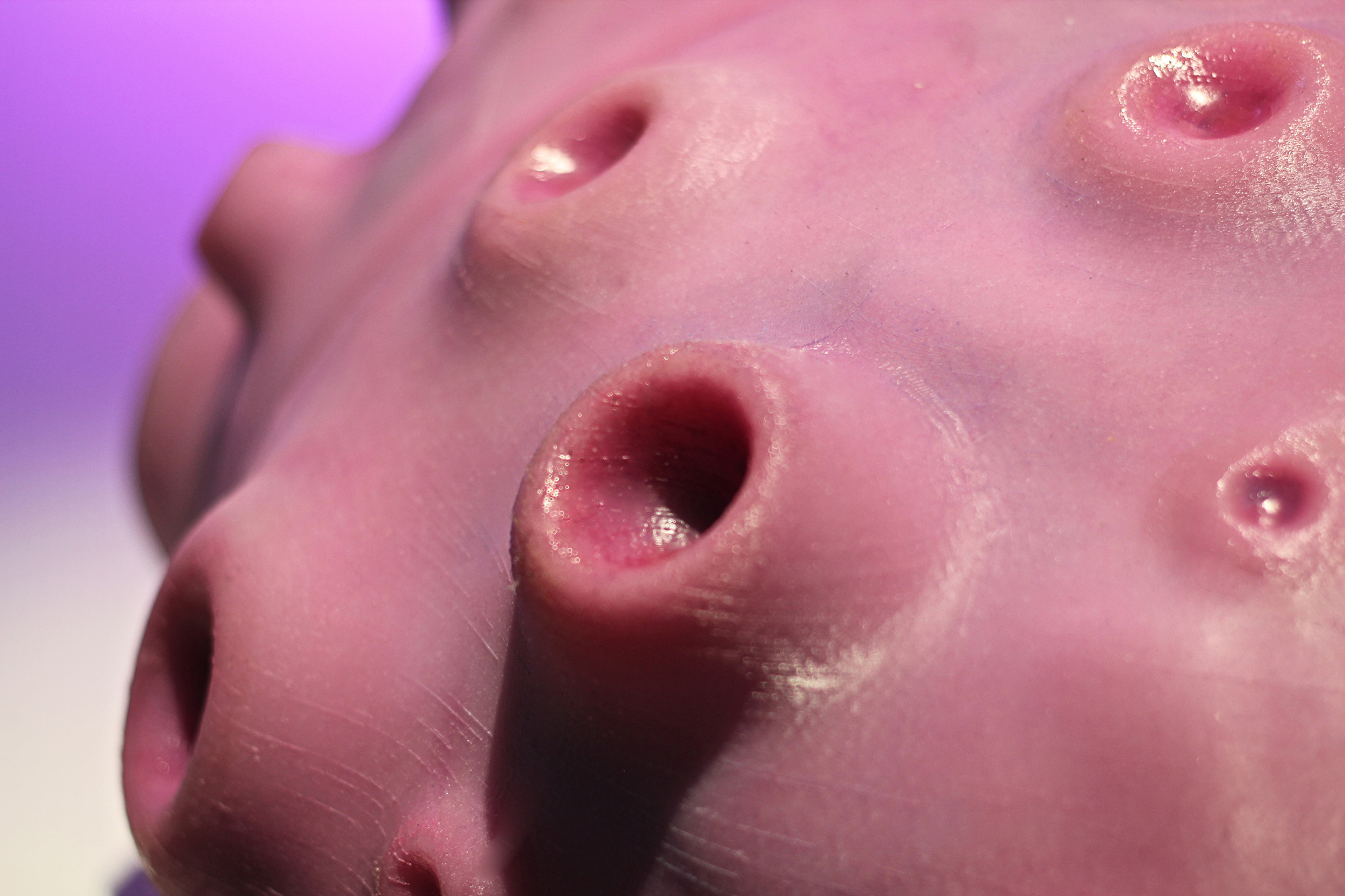
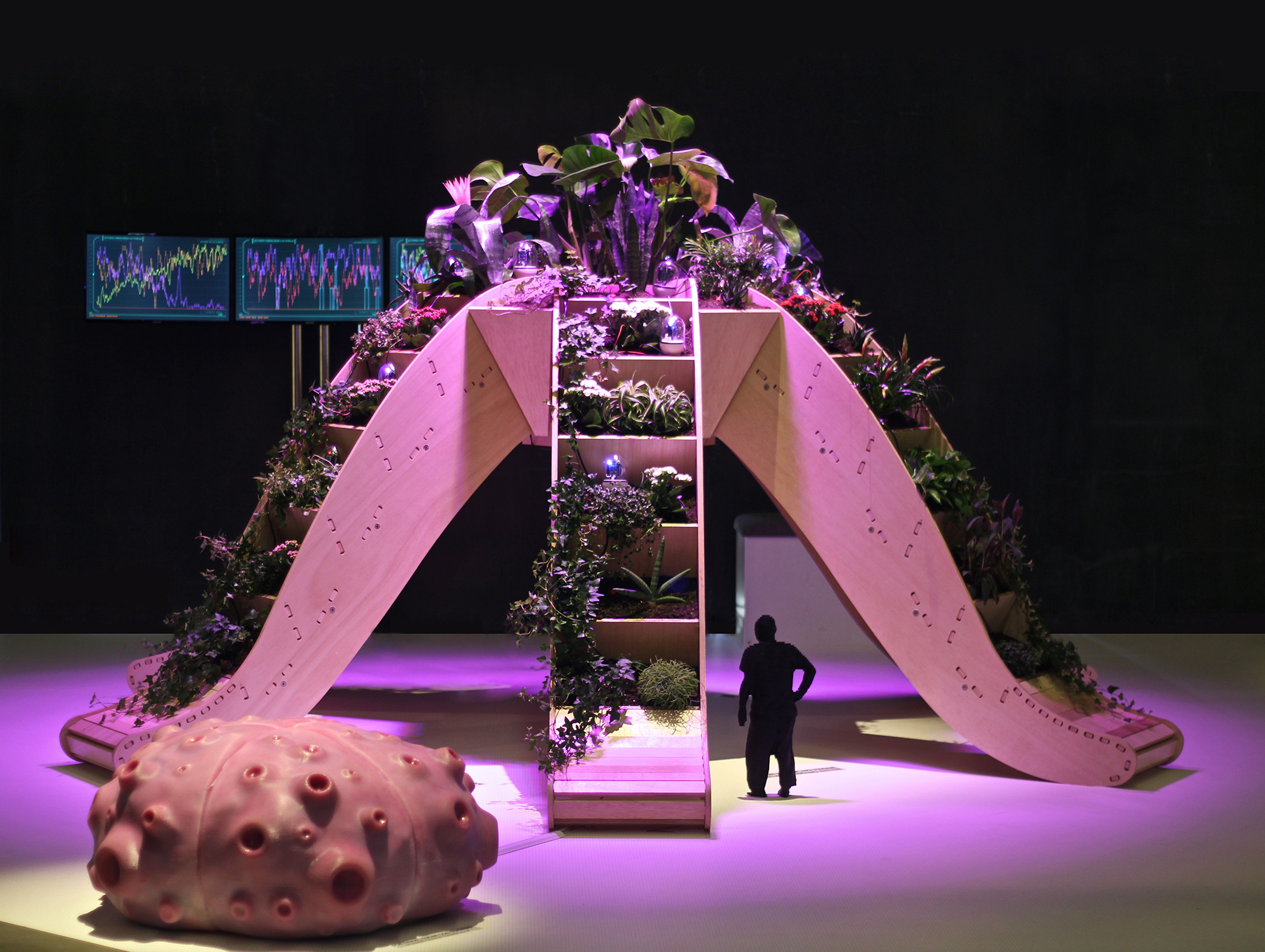
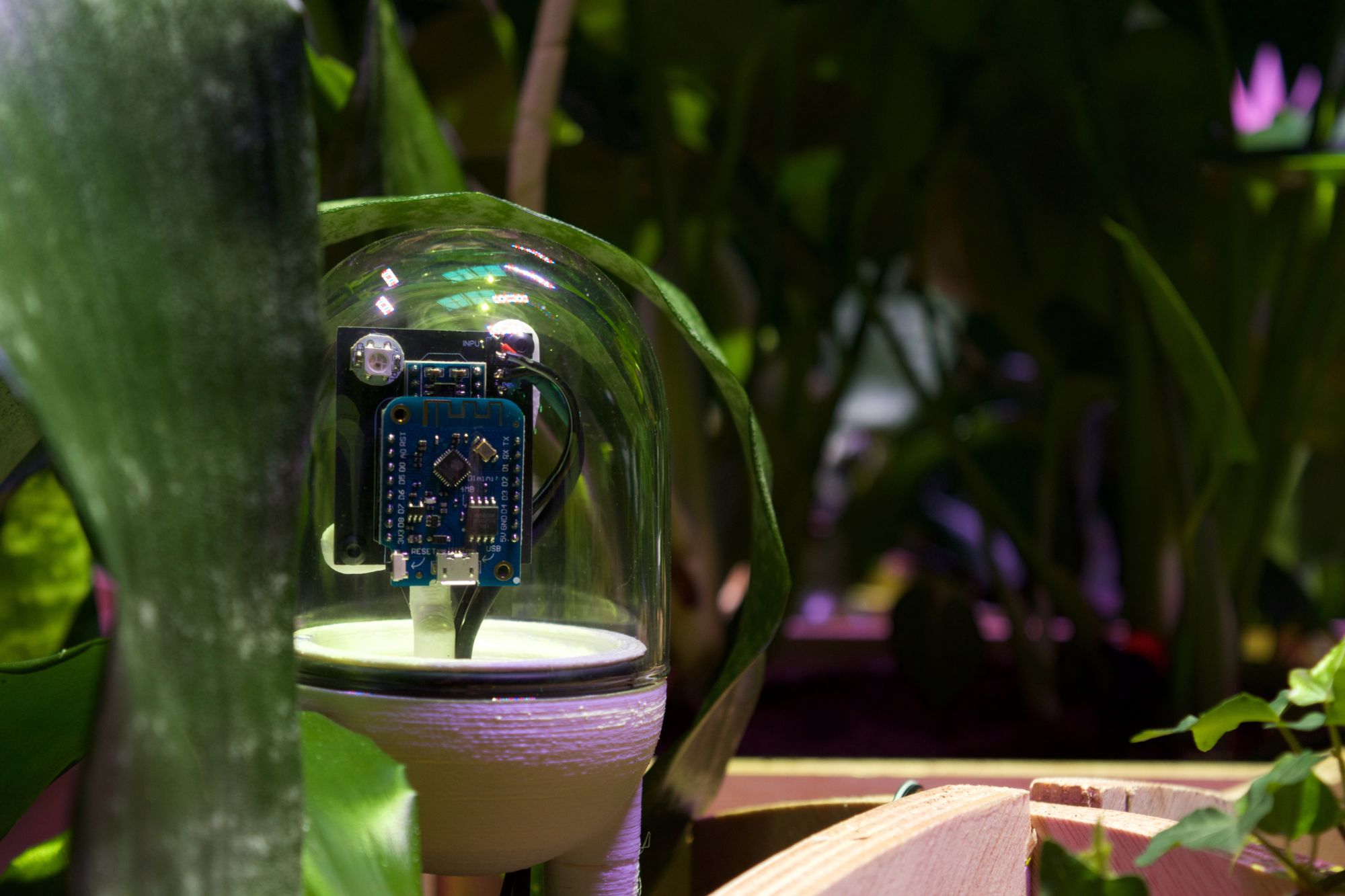
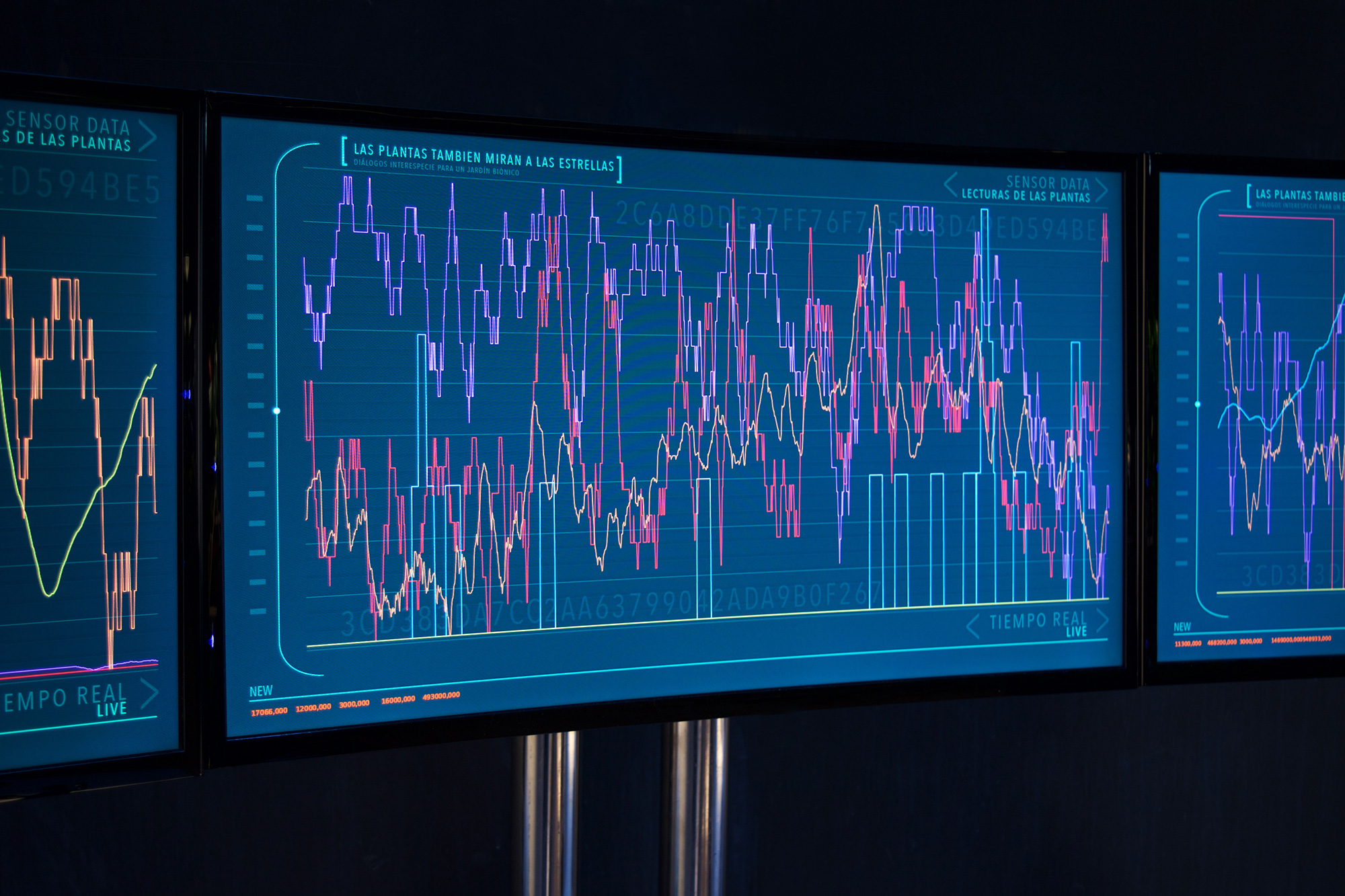
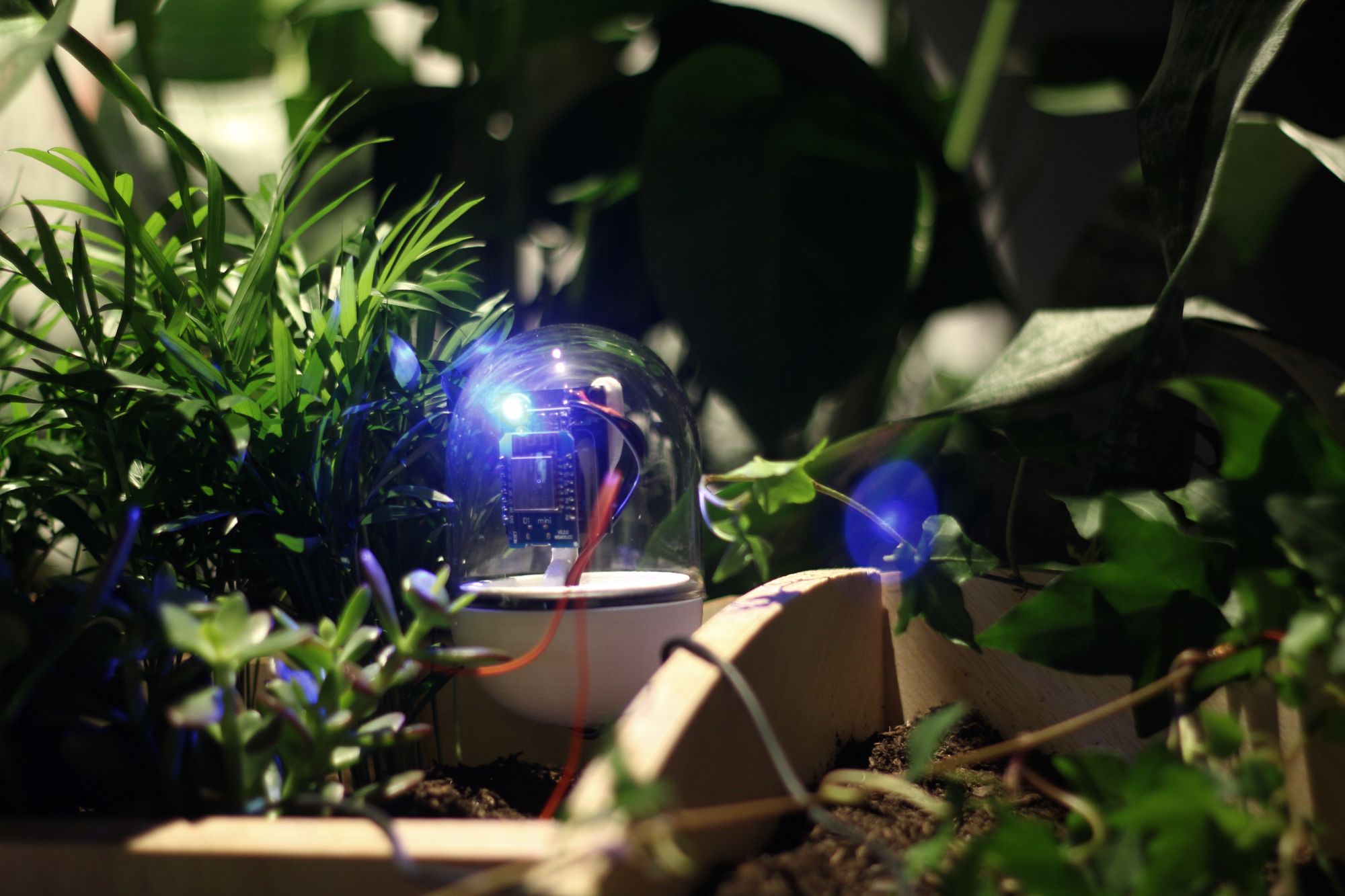
Castellanos and Valverde presented Las plantas también miran a las estrellas. Diálogos interespecie para un jardín biónico, an installation conceived as an interactive garden inhabited by plants and robotic-cyborg systems. Through integrated sensors, the installation records the electrical oscillations of plants and different environmental variables, making their responses to the presence of humans, other organisms and environmental changes perceptible. This information is translated through technological devices into movement, vibrations and sound, creating a system for interspecies communication.
Jardín Cyborg also brought together projects by Orkan Telhan; TAKK —Mireia Luzárraga and Alejandro Muiño—; Double Happiness —Joyce Hwang and Nerea Feliz—; and Rachel Armstrong, Rolf Hughes, Pierangelo Scravaglieri and Ioannis Ieropoulos. The different projects addressed issues including coexistence with insects, the creation of shade and biodiversity, new hybrid species and biological systems for producing irrigation water, approaching the garden as an experimental space for coexistence between organisms, technologies and the urban environment.