Work

(Be)etogether

2025
← All works Work

One third of the food we consume depends on pollinators, especially bees.

Concept Development | Production | Technology
María Castellanos & Alberto Valverde
In collaboration with
Olaya Miel. Felechosa, Asturias
Bees sustain biodiversity, enable plant reproduction, and maintain the complex web of life that supports our ecosystems. For thousands of years, humans have kept beehives, domesticating bees to obtain honey and beeswax. This long-standing relationship has often positioned them as resources to be managed rather than living beings to be understood.

What if technology could allow us to listen to bees—not as objects of exploitation, but as collaborators whose behaviours and needs call for our attention and care?

In collaboration with Olaya Miel, a family-run organic beekeeping company, and BeeSage, we developed a system capable of perceiving the hive on its own terms. This collaboration brought together artistic research, beekeeping knowledge passed down through generations, and advanced sensing technologies to shift the productivist logic of beekeeping towards more attentive and responsive forms of engagement. Inspired by Donna Haraway's concept of making-with, the project seeks to translate the bees' signals and rhythms into forms that are meaningful to people, without imposing an external interpretation upon them.
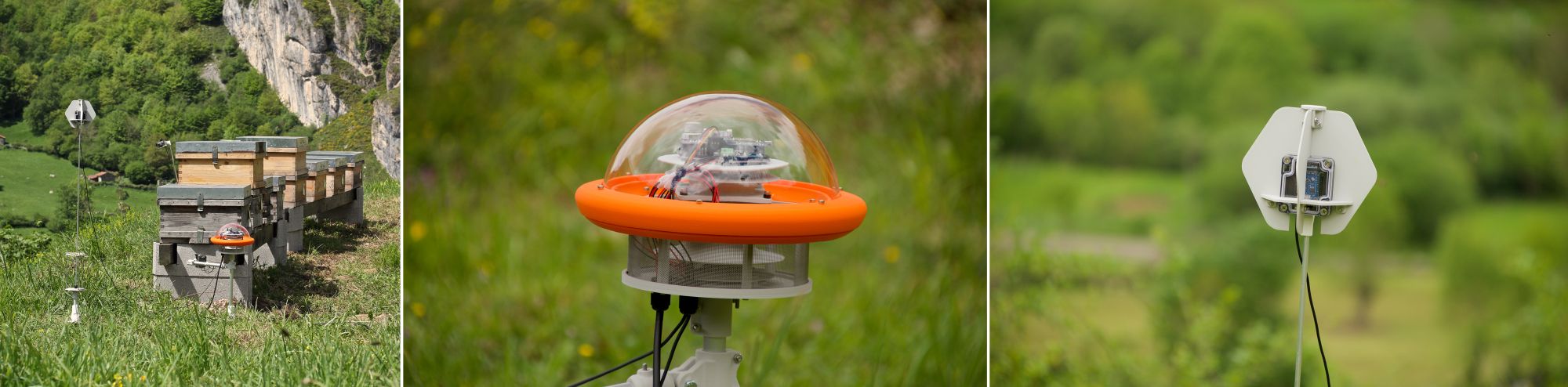
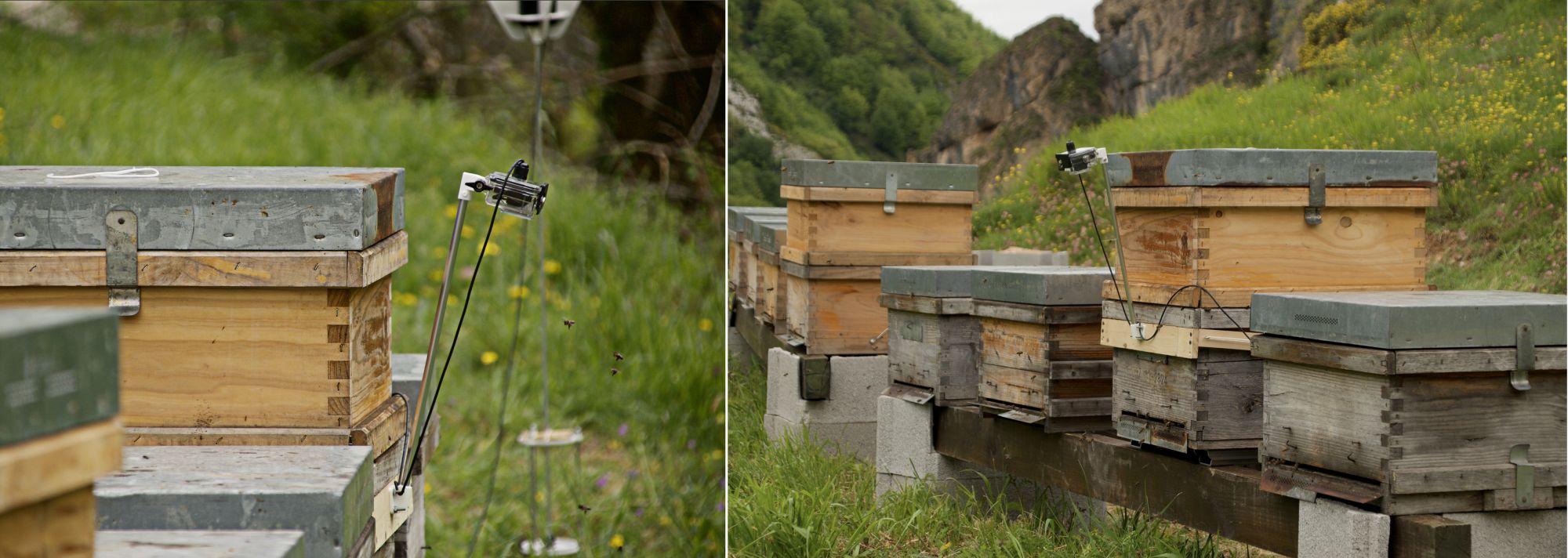
The experiment took the form of a monitoring system that combined multiple technologies. The hive's weight, temperature, and humidity were recorded using BeeSage's HiveScale and HiveNodes, while external environmental conditions—such as air quality, UV radiation, and wind—were measured using open-source sensors developed by the artists and adapted for rural environments. AI-powered cameras monitored bee traffic, and contact microphones captured the subtle vibrations of the hive, revealing frequencies characteristic of the colony's collective behaviour.

As thousands of data points were collected and analysed, patterns began to emerge. Bee activity responded to changes in temperature, light, and UV radiation, while high humidity reduced their movement. Subtle shifts in the hive's acoustic signatures anticipated changes in colony behaviour, and a continuous low-frequency buzz signalled periods of intense activity.

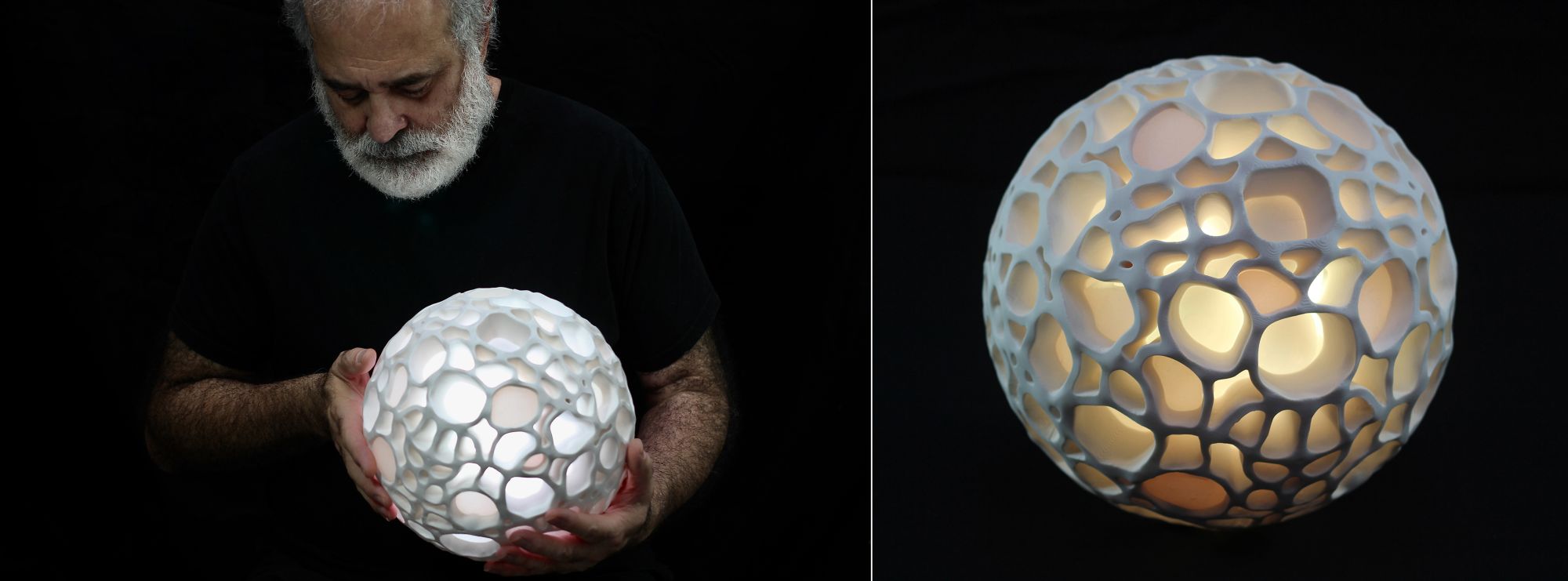
Building on these findings, the artists developed (Be)etogether – The Interface, a device that translates the hive's rhythms into light, vibration, sound, and air currents, generating patterns that humans can perceive. Combining rigid and flexible materials inspired by the architecture of wild beehives, the interface proposes a sensitive, responsive, and non-invasive way of connecting with bees. It allows users to accompany the everyday life of the apiary by sensing when bees are active, when they are resting, and how environmental changes influence their behaviour. Experiences that were previously invisible become perceptible, opening new possibilities for understanding and caring across species.

(Be)etogether proposes a model of collaboration between humans and bees operating on multiple levels. For beekeepers, it offers tools to anticipate challenges, work in harmony with seasonal rhythms, and reduce stress within bee colonies. For technology, it demonstrates that artificial intelligence and sensor systems can be oriented towards practices of care and attentiveness. And at the ecological level, it positions the wellbeing of bees as inseparable from the health and balance of the ecosystems they sustain.
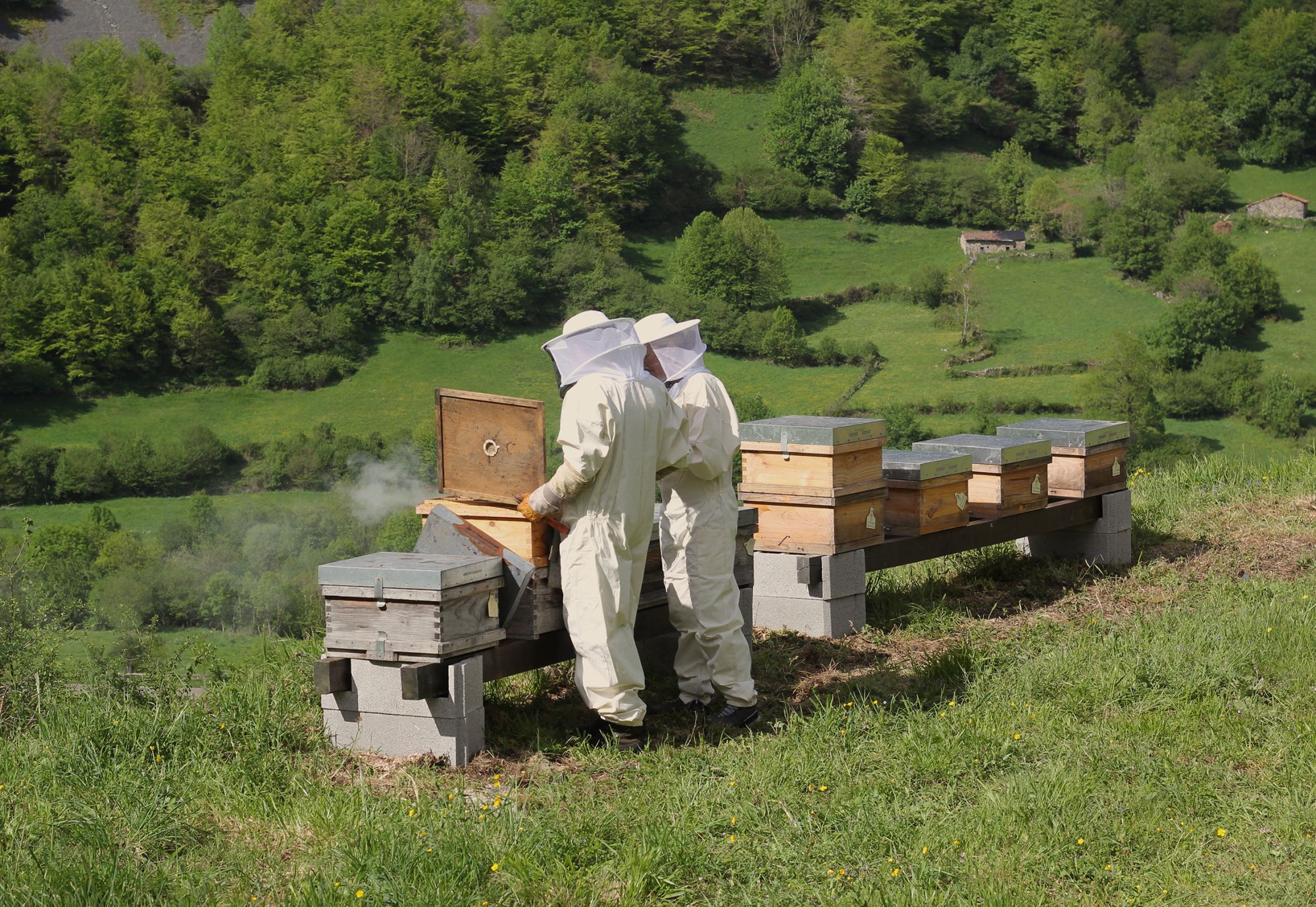
Within the framework of the Paths to Progress Experiments, the project explores how technology can expand human perception by making the dynamics of other living beings visible. Through these systems, new modes of observation emerge, enabling us to understand their activity in relation to their environment. These dynamics are translated into accessible signals that make them easier to interpret, opening up new ways of relating to other species.
Top images:
Hive equipped with an AI-powered camera that observes and records the bees entering and leaving the hive.

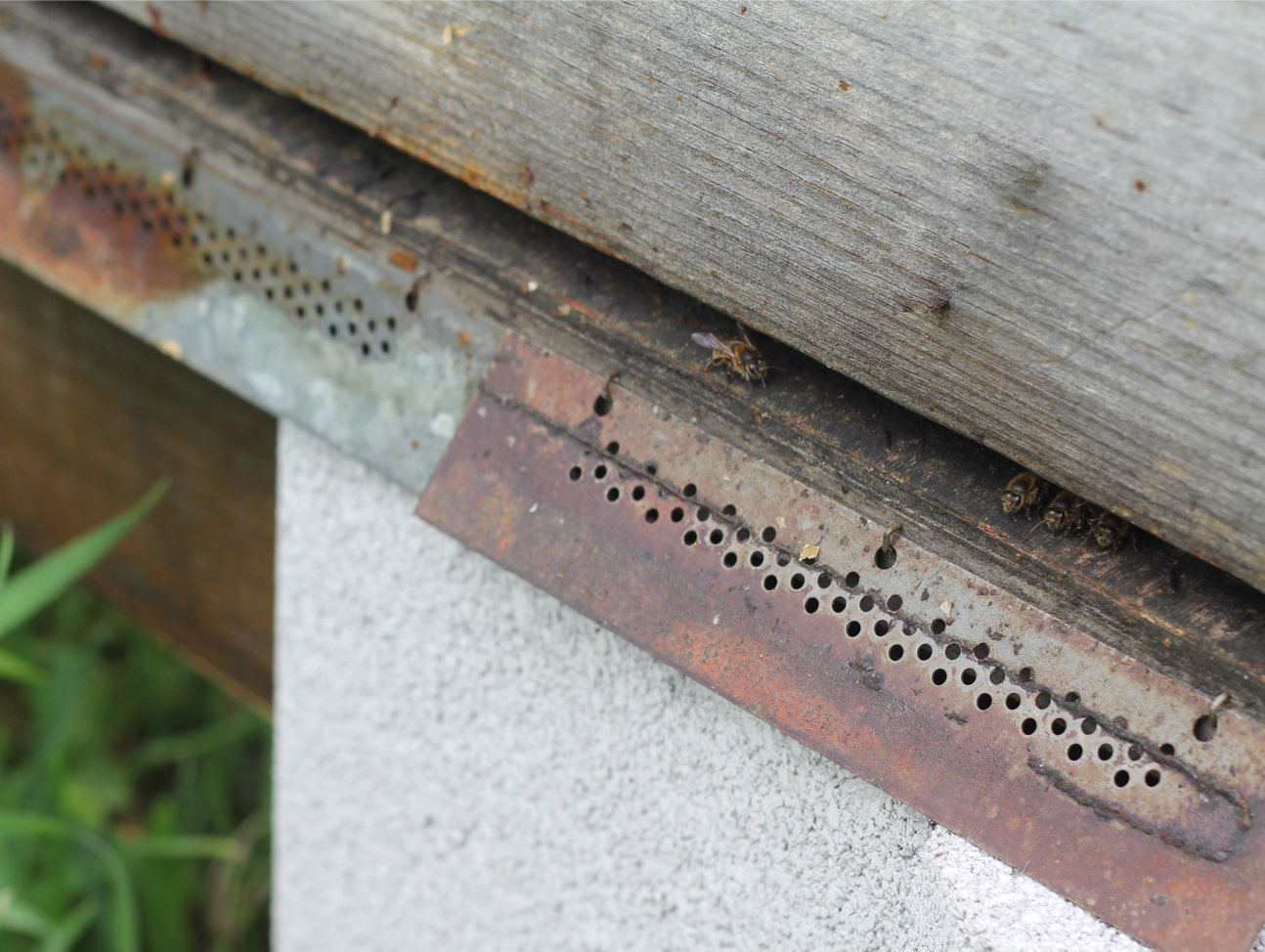
Bottom images:
Detection system that analyses these recordings to identify and translate the bees' movements into data, making their behavioural patterns visible.
(Be)etogether Interface. 2025
3D-printed PLA, silicone, and control electronics
26 × 26 × 26 cm (each interface)
Edition of 5 + 1 Artist's Proof (A.P.)
EXHIBITED IN:
Affective Cartographies for the Symbiocene.. Centro de Arte Caja de Burgos (CAB), Burgos, Spain. 20 February – 7 June 2026..

RELATED PRESENTATIONS:
(Be)etogether. RE_NATURE Festival voor kunst en natuur, Ruigoord (NL). 20.09.2025

 
← Previous
Bionic Ecosystem
Next →
Interspecies Transduction Graphies